
Study Says Psychedelics May Help People with Gambling Problems

Key Points
- Data is promising but it would take a while before academics are able to roll out a clinical trial of psychedelic-assisted treatment of gambling harm
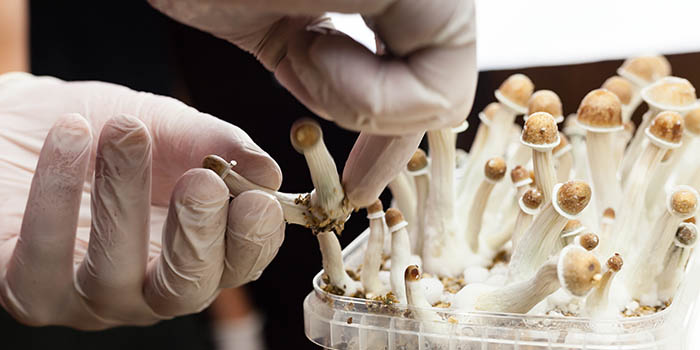
Gambling harm continues to plague the gaming industry, posing a threat to players and presenting sustainability challenges to operators. As a result, researchers continue to study the nature of problem gambling and devise solutions to mitigate the issue.
A new paper, published in the Journal for Behavioural Addictions and authored by Pedro Romero, suggests a more unorthodox approach. The study argues that psychedelic drugs may potentially assist in the treatment of gambling disorders.
Romero is a qualified counselor with a PhD from the University of Gibraltar and years of experience in safer gambling positions at leading companies. His study proposes psychedelic-assisted therapy sessions, such as the ones used to treat other mental conditions, including depression, substance abuse and PTSD.
The paper cites recent promising results, highlighting a study of the treatment of patients with depression. Data shows that 71% of the participants treated with psilocybin sessions showed significant improvement while 54% were in remission by the fourth week of treatment.
Romero’s paper says that people with mental disorders and addictive tendencies often exhibit rigid cognitive processes. However, certain hallucinogens might be able to disrupt these patterns, the researcher believes.
However, psychedelics also carry certain risks, the study warns. While the psychedelic drugs used in clinical settings are proven to be relatively safe, they might also trigger increased heart pressure and heart rate or cause adverse effects on people suffering from psychosis, epilepsy and cardiovascular disorders. Psychedelics are also incompatible with certain other drugs.
On rare occasions, the use of psychedelics may even trigger psychotic episodes, perceptual disturbances and depression, which is why this field needs to be studied further before a full-scale clinical trial can be rolled out.
Results Are Promising But Additional Research Is Needed
In an interview with NEXT.io, the academic explained that gambling addiction is a symptom of an internal conflict rather than the cause itself. Romero explained that depressed people might gamble to feel better and thus end up with two problems instead of one.
While the study of psychedelics in the treatment of such conditions is still ongoing, Romero is optimistic about the results. He argues that the positive outcomes should prompt further research into the matter.
Despite that, Romero warned that it would take a while before academics are able to roll out a clinical trial of psychedelic-assisted treatment of gambling harm. According to him, more data is still needed. However, the academic is convinced that such a therapy has the potential to be a “game-changer.”
Fiona covers the betting and casino sectors, focusing her reporting on operational shifts within land-based markets. Drawing from a background in hospitality management, she investigates how physical venues adapt to modern demands—from cashless gaming floors to omnichannel VIP integrations. Her on-the-ground insights help executives navigate the technological and economic realities transforming brick-and-mortar casinos.


Must Read
More Articles


Slots
May 15, 2026
Give in to Mayhem in Peter & Sons’ Tango of Chaos









Sports
May 12, 2026
Man Spends 4 Years Gambling AUD 895K, Dies at 22


1 Comment
Sure, use drugs. Addictive drugs are just what addictive personalities need to fight another form of addiction. LOL
Studies show that people with addictive personality disorders are never truly “cured” with drug treatment. In fact, they move from one type of addiction to another when their original addiction is cut off. For example, people in prison who are used to stealing and hustling others to supply their drug or alcohol addictions will do anything to ensure their “highs” in prison by turning to other addictions. A lot of them even turn to religion as an addiction to get their needs/wants/desires met.
I’ve seen it first hand.