Prediction Markets Are More Accurate Тhan Polls, Studies Argue

Key Points
- Prediction markets may be used to measure public opinions more accurately
- Several studies suggest that people are more incentivized to be more accurate as there’s money on the line
- However, player biases can be a big hindrance to data collection

For years now, prediction market providers have been the center of debate on whether they offer betting products when they sell “contracts” for real-life events, or if they offer something else entirely. While this debate will likely continue for much longer, in some cases, they have become useful for investors who use the data on the contracts (or bets, if you prefer) that users make to better predict outcomes on some events.
Prediction Markets Can Be Used to Measure Public Opinions
Prediction markets may also offer valuable insights, especially regarding political developments. Active investors frequently base trading decisions on anticipated election outcomes. While public opinion polls are commonly used to gauge likely voting results, they have experienced several notable inaccuracies in recent years.
Research has consistently confirmed the advantage of prediction markets. For example, a 2008 study found that the Iowa Electronic Markets outperformed traditional polls 74% of the time across five US presidential elections. More recently, a Vanderbilt University study showed that Polymarket, which attracted $3.7 billion in wagers on the 2024 election, surpassed conventional polling in forecasting outcomes. The study suggested that prediction markets are more accurate because participants risk real money on who they believe will win, rather than simply expressing their personal preferences.
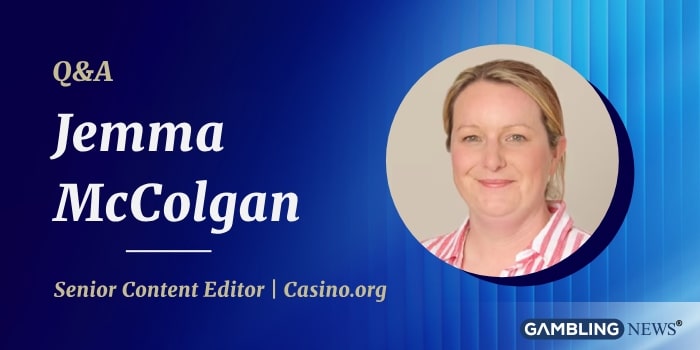
Considering the rapid growth of prediction market providers over the last few years, it’s entirely possible that even more studies could use the data accumulated from them to measure the public’s opinions more accurately. Recently, we sat down exclusively with Jemma McColgan from Casino.org, who gave her expert opinion on where she thinks the industry is going.
However, Prediction Markets Aren’t Perfect
While some studies suggest that prediction markets can provide better insight into people’s thoughts, this does not mean they are always accurate. For example, in the lead-up to the 2016 Brexit referendum, prediction markets assigned probabilities as high as 85% to 90% to the likelihood that British voters would choose to remain in the European Union. However, when the votes were counted, 52% supported Brexit.
In another similar case, prediction markets strongly favored Hillary Clinton, only to be surprised by Donald Trump’s victory in the 2016 US presidential election. The reasons behind this major forecasting error have been widely debated, with analysts citing factors such as market manipulation and misinterpretation of available information by participants. However, one of the most significant factors could be systematic biases among bettors themselves.
Ultimately, it seems that more studies are needed to truly figure out if data from prediction markets is more reliable than more traditional polling. In the meantime, the debate of whether prediction markets are a form of gambling or not will continue, as various regulators are trying to further extend their control over the industry. Recently, for example, the Pennsylvania Gaming Control Board criticized the Commodity Futures Trading Commission for what it says is the CFTC allowing prediction markets to operate like unregulated sportsbooks.
Stefan covers the sweepstakes industry and reports on the rapid, global expansion of iGaming brands. Leveraging a background in digital marketing, he investigates how social casinos navigate complex gray markets and drive user acquisition. His coverage provides operators with crucial insights into the regulatory nuances fueling the explosive growth of alternative online gaming platforms.
Previous Article

Prediction Markets
May 11, 2026
AGCO Fines Relax Gaming & Arrise Solutions for Supplying Unregulated Sites
More Articles




Casino
May 11, 2026
Conquer Casino Launches UK-Facing iGaming Platform

Industry
May 8, 2026
Michigan Hits Pause on Betting Tax Hike