Michigan Hits Pause on Betting Tax Hike

Key Points
- Michigan lawmakers excluded a proposed betting tax hike from the budget
- Illinois’ decline in betting activity after a similar measure raised concerns
- Gambling tax increases remain possible as budget negotiations continue
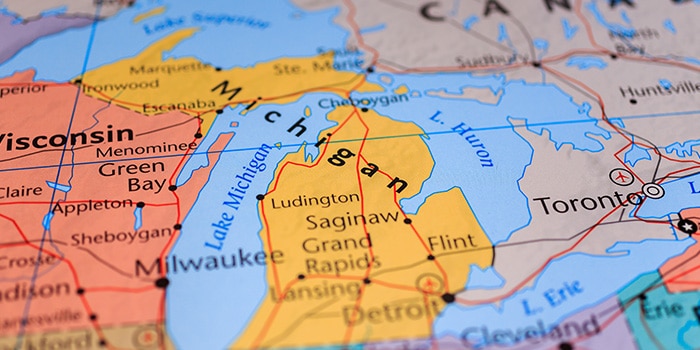
A proposal to raise sports betting taxes in Michigan has encountered a significant roadblock. Lawmakers in both chambers have advanced budget plans that exclude Governor Gretchen Whitmer’s proposal for a per-bet tax on sportsbooks. This omission shows that lawmakers are hesitant to make any drastic changes that could have long-term effects on Michigan’s growing gaming market.
The Taxes Could Have Unintended Consequences
Whitmer proposed a 25-cent charge on the first 20 million mobile bets placed annually on each operator, increasing to 50 cents for all additional bets. The structure closely follows a system adopted in Illinois, where gambling companies are already feeling the effects. Whitmer expected the added tax to generate approximately $39 million in new revenue for the state.
However, lawmakers were wary of such drastic changes. Many feared that increasing the financial burden on regulated operators could mean the costs would get passed down to bettors, potentially pushing users toward unregulated offshore offerings. These unregulated offerings often lack critical consumer protections and contribute nothing to the state.
These concerns are not just theoretical. Illinois saw a noticeable decline in betting activity after introducing its per-wager fee, causing a drop in monthly handle in the following months. Michigan legislators are wary of such developments, as their state has become one of the more stable online betting markets in the country.
Neither the House nor the Senate Included These Proposals
The governor’s proposal includes more than just per-bet fees. It would also increase the online casino revenue tax rate to 36%. Currently, gambling companies pay monthly rates ranging from 20% to 28% based on gross revenue. Operators would also gradually lose the ability to deduct promotional credits from taxable revenue. Combined, these changes would mark a significant shift for Michigan’s gambling market.
For now, neither the House nor the Senate has endorsed Whitmer’s proposal. The Republican-led House approved a budget proposal that omits new gaming taxes, while the Democratic-controlled Senate has moved forward with a comprehensive budget that follows its own priorities. However, the gap between the two proposals leaves room for debate on potential gambling taxes.
The gambling sector is closely watching these developments. Operators have long argued that higher taxes reduce their ability to offer promotions and competitive odds, which can push bettors toward unregulated markets. Meanwhile, lawmakers are looking for ways to fund state programs while maintaining acceptable tax levels for residents. While gambling taxes may offer an easy solution, they carry risks that are harder to predict.
Deyan investigates complex legal frameworks and closely tracks regulatory compliance across the global betting industry. Armed with a background in international corporate law, he advises top-tier iGaming operators on multi-jurisdictional licensing, anti-money laundering directives, and emerging markets. His strategic foresight makes him a trusted, insider voice for stakeholders mitigating risk worldwide.

More Articles