Greyhound Racing and Betting in the US Might Soon End After Farm Bill Passes

Key Points
- А section of the Farm bill has been added, aiming to end greyhound racing
- Some oppose this, citing financial concerns and saying this should be a state matter
- Meanwhile, supporters celebrate the bill
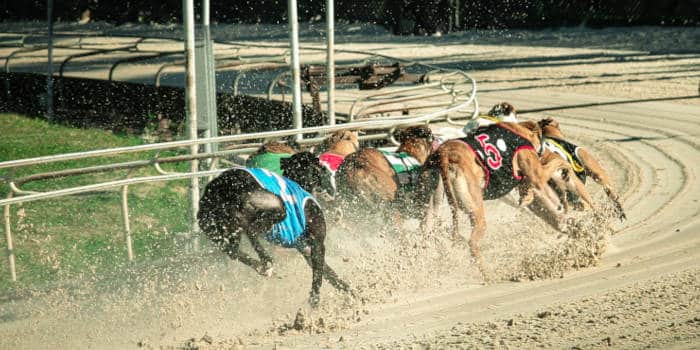
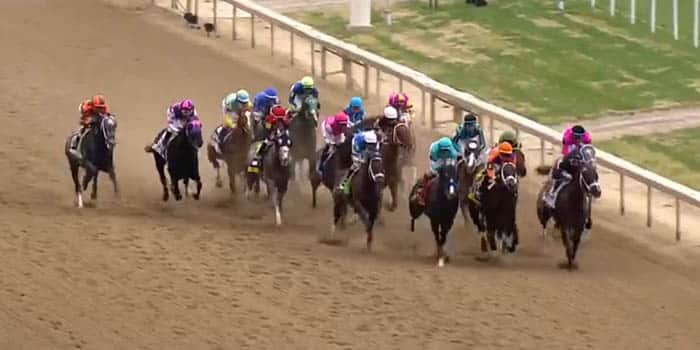
The Greyhound Protection Act of 2025 (H.R. 5017) was added to the Farm, Food and National Security Act of 2026, approved by the US House on Thursday, which would make greyhound racing illegal across the country.
Greyhound Racing Is Potentially on Its Way Out
The measure would revise the Animal Welfare Act to ban commercial greyhound racing as well as wagering on these events. If enacted, the law would also make it a federal crime to host races involving betting, enable simulcast wagering, or take part in breeding, transporting, or training greyhounds for racing. Offenders could face fines and prison terms of up to seven years.
Work on the bill started last autumn as safety concerns for the animals have been raised many times. If the bill is written into law, it would mean the country’s last two dog tracks, Wheeling Island Casino Hotel Racetrack and Mardi Gras Casino & Resort, which are both located in West Virginia, may have to shut down greyhound racing unless the Senate steps in.
Riley Moore, a Republican representing the 2nd District, also voted for the bill. However, he had previously proposed an amendment that would have excluded the West Virginia tracks from the provision, but it was rejected by a 239–187 vote. He said that he was disappointed by the amendment’s defeat and frustrated with lawmakers from both parties.
Moore argued that addressing what he sees as a state matter at the federal level is misguided and lacks common sense. He also suggested there is an unusual fixation in Washington, D.C., on the industries that sustain livelihoods in West Virginia, including coal, greyhound racing, natural gas, and steel.
There is also a financial dimension to the discussion. Wheeling has long been a leading advocate for protecting greyhound racing in the state, citing its role in generating jobs and local revenue. Wheeling City Manager Robert Herron noted that the city has twice argued before the Legislature about the industry’s importance to the region. He added that such decisions should be handled at the state level rather than by the federal government.
Supporters of the Bill Celebrate
While some have expressed concerns about the new bill, others celebrated. One of them was Carey Theil, executive director of GREY2K USA Worldwide, an advocacy group for greyhound protection. He called the vote a historic win for dog welfare supporters, saying it reflects years of effort by grassroots activists and greyhound rescue organizations.
He added that the industry is steadily declining, noting that greyhound racing is already illegal in 44 states. Since 2022, wagering on the sport has also been banned in Arizona, Arkansas, Colorado, Connecticut, Kansas, Massachusetts, and New Hampshire.
According to Theil, the activity continues in West Virginia largely due to annual subsidies exceeding $19 million. He also said the company that owns the last two tracks, Delaware North, has sought to exit the racing business but must continue supporting it under current laws to retain its casino licenses.
Stefan covers the sweepstakes industry and reports on the rapid, global expansion of iGaming brands. Leveraging a background in digital marketing, he investigates how social casinos navigate complex gray markets and drive user acquisition. His coverage provides operators with crucial insights into the regulatory nuances fueling the explosive growth of alternative online gaming platforms.

Must Read
More Articles


Business
May 4, 2026
Stake Makes a Foray into Mexico