
The AP Picks Gambler Addicts on Prediction Markets: It’s The Same

Key Points
- The Associated Press interviewed two struggling gambling addicts, who said that to them, prediction markets are the same as gambling
- They get the “same high” out of placing “trades” on prediction markets as they do on wagering on sportsbooks
- While there may be real differences between sportsbooks and prediction markets, similarities remain when it comes to anticipation, action, and reaction play
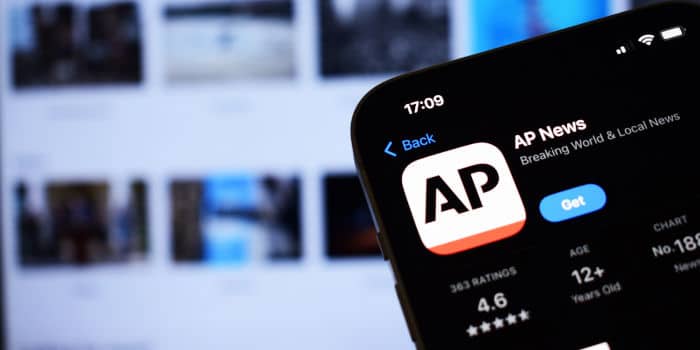
Prediction markets bill themselves as a superior product to sportsbooks, and when you prod them over who should regulate them, the platforms usually have a firm response: the CFTC, since they are a financial instrument, not, say, sports betting markets.
AP Digs into Prediction Markets and How Gambling Addicts Respond to Them
But when the Associated Press did its own digging, gambling addicts had a different story to tell: it’s the same type of “high” that they get out of placing “trades” on prediction market platforms and “wagers” on sportsbooks.
The media reached out to Birches Health VP of Clinical, Dr. Cynthia Grant, who confirmed that specialists were seeing the same “cycle of anticipation, action, and reaction play out again and again.”
One of the gambling addicts was a soccer coach, and he said that he started gambling as young as 16. He couldn’t access bookmakers, so he and others were gambling against each other.
Once he turned 18, he would go to casinos and sportsbooks, but quickly ended up amassing losses and was eventually pushed into prediction markets.
“I would be in all this debt and get a paycheck for $2,000 on a Friday, and it would be gone by Saturday or Sunday. I wouldn’t have money to fill up my gas tank,” the man, who is 21, told the publication.
The man eventually made his way to Gamblers Anonymous, a network that links at-risk and problem gamblers with the resources and support needed to break the habit and get their life back on track.
The other story involves an accountant who got hooked on sports gambling at the same time New York legalized its industry. He eventually made his way to prediction markets and started trading with Kalshi.
The accountant described prediction markets “as the same thing packaged differently.”
“It’s a dangerous loophole. How can you do all that and say you’re not a sportsbook?” he asked rhetorically. Treatment experts have not gone so far as to necessarily put prediction markets in the same basket as traditional sports betting, and indeed, the research on this is rather thin.
However, what specialists such as The Better Institute’s CEO, Jody Bechtold, see is rather familiar – loss chasing, lies, secrecy, and more. The AP also got Kalshi’s opinion, with spokesperson Elisabeth Diana highlighting the fact that the company had programs for responsible trading.
More Evidence Needed to Gauge the Impact of Prediction Markets
Diana compared Kalshi to casinos, calling the platform “fairer, more transparent, and less predatory.”
Massachusetts Council on Gaming and Health CEO Marelen Warner was also not certain how to define the conversation around prediction markets.
“I don’t know enough, frankly. We don’t know enough, nothing’s been studied about them, I can’t tell you whether they’re more or less or the same in terms of risk level,” she told the publication, indicating that she was concerned but that her concern could not yet be grounded in tangible research.
Jerome brings a wealth of journalistic experience within the iGaming sector. His interest in the industry began after graduating from college, where he regularly participated in local poker tournaments. This exposure led him to the growing popularity of online poker and casino rooms. Jerome now channels all the knowledge he's accrued to fuel his passion for journalism, providing our team with the latest scoops online.


Must Read
More Articles




Legal
April 30, 2026
Nelly Avoids Assault Charge in Missouri Casino Case

Casino
April 30, 2026
Tabcorp Outlaws High-Stakes Bettors in Bid to Curb Risks