Prediction Markets Skipped Kentucky Derby Over Legal Risk

Key Points
- Kalshi and Polymarket have chosen not to list Kentucky Derby markets, once again emphasizing legal uncertainty and tensions between prediction platforms and the horse racing industry
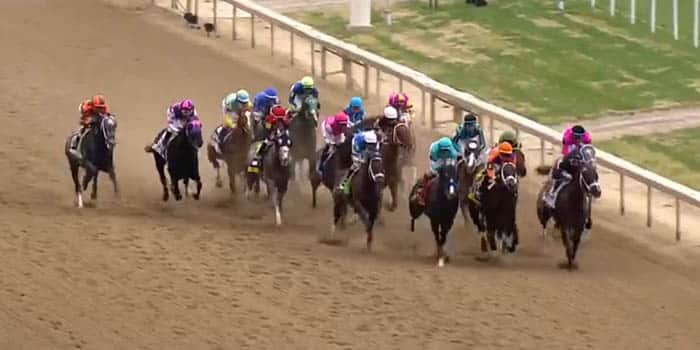
After spending the last year offering markets on everything from politics to sports outcomes, prediction markets Kalshi and Polymarket have taken many by surprise by skipping the Kentucky Derby.
Neither company had listed a market for this year’s Derby, one of the most important horse races in the calendar, held at Churchill Downs and drawing massive betting interest every year.
“There Is a Door That Could Be Opened”
Polymarket briefly tested the waters by opening a Derby market last week, but that didn’t last long. According to Churchill Downs, the platform removed it after being contacted.
“We reached out to Polymarket and asked for the wagers to be removed,” Churchill Downs spokesperson Breck Thomas-Ross told ESPN. “And Polymarket complied.”
Kalshi didn’t come forward with any plans to offer trading on the race.
The hesitation may seem surprising given how aggressively prediction markets have expanded into sports-related contracts. However, industry observers point to a key legal hurdle. Namely, the Interstate Horseracing Act, a piece of legislation that offers racetracks and state regulators significant control over wagering on horse races.
“Right now, the law’s fairly clear on what [prediction markets] are allowed to do without consent by our sport,” said Tom Rooney, head of the National Thoroughbred Racing Association.
“There is a door that could be opened if a race track or state gaming commission or horseman’s group or something like that would give consent. We don’t have that yet.”
“The Wagering Is the Event”
Rooney also recently warned federal regulators that allowing such markets could harm the industry. Horse racing relies heavily on betting revenue, which supports prize money, racetrack operations, and breeding programs.
“The wagering at the Kentucky Derby is the event,” said John Holden. “When people go to the Kentucky Derby, by and large they’re there to bet on the horse race.”
Last year, betting on the Derby reached record levels, with hundreds of millions of dollars wagered, which fed straight into the sport through taxes and revenue-sharing agreements.
Experts say prediction markets could disrupt that system. If betting shifts away from regulated platforms, less money would flow back into the racing ecosystem.
“If too many people use these prediction markets, then the tracks are basically sunk,” said economist Thomas Lambert.
The derby, which took place on May 1-2, 2026, was won longshot Golden Tempo, who went off at 23-1. The horse was followed by Renegade, Ocelli and Chief Wallabee.
Golden Tempo’s trainer, Cherie DeVaux, made history as the first female trainer of a Kentucky Derby winner.
Melanie specializes in analyzing legalities and the ongoing development of land-based gaming infrastructure. She tracks zoning regulations, casino expansions, and the legislative hurdles of resort development. Her sharp insights guide operators through the complex permitting processes required to build tomorrow’s premier brick-and-mortar gaming destinations.

Must Read
More Articles