
Dayclubs in Las Vegas Have Boomed Recently. But Why?

Key Points
- Las Vegas dayclubs are generating huge profits for their respective casinos
- This is due to several factors, such as a new model of operation and changing customer preferences
- Influencers and a shifting visitor age also play a huge role
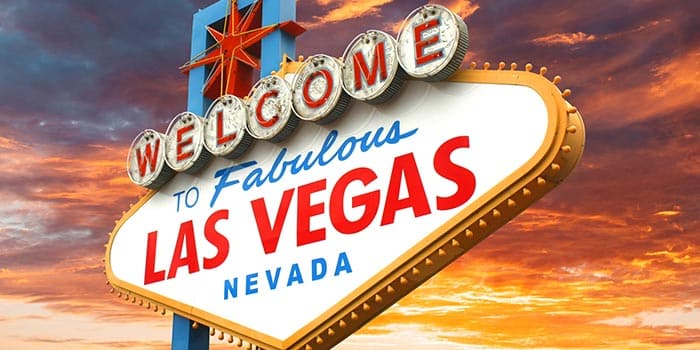
In 2026, some of the highest revenue generators on the Las Vegas Strip were dayclubs, a fact that may seem to contradict the stereotype that the city is most profitable during its neon-lit nights. This seeming shift begs the question – why have dayclubs become so successful?
Luxury Is a Fundamental Driving Force
A leading Las Vegas dayclub can bring in roughly $40 to $70 million in annual revenue, despite typically operating for only six to seven months each year. When combined with an adjacent nightclub, a single venue complex can generate an estimated $80 million to more than $100 million annually. Across the Las Vegas Strip, the daylife industry contributes hundreds of millions of dollars in high-margin food and beverage revenue each season.
Operators point to luxury spending as the primary driver of dayclub economics. An estimated 60% to 70% of revenue comes from cabanas and VIP table minimums. Meanwhile, alcohol sales, which are often marked up significantly, contribute another 25% to 30%. The remaining revenue is generally generated through admission fees and ticket sales.
On major holiday weekends, minimum spending requirements for premium cabanas can range from $5,000 to well over $20,000, depending on the featured performer. Bottles of high-end liquor that retail for a few hundred dollars are commonly priced between $600 and $1,000 or more in the club environment. Unlike nightclubs, which generate revenue over extended operating hours, dayclubs concentrate most of their business into a relatively short six-hour period.
That being said, it could be argued that these minimum spendings could also play a role in the overall price increase in Las Vegas that many visitors have been complaining about in recent times.
This mix of strong margins, limited operating hours, and consistent demand has made daylife one of the Las Vegas Strip’s most dependable revenue generators. It has also heightened competition among venue operators, who increasingly seek to distinguish themselves through celebrity partnerships, innovative multi-level designs, and enhanced food and beverage offerings.
Young People Are Changing the Market
Millennial and Generation Z travelers have been instrumental in reshaping hospitality economics. Many prefer spending time and money on experiences rather than on traditional forms of entertainment focused on gambling or sightseeing. These consumers increasingly seek immersive social experiences that can be enjoyed in person and shared across digital platforms.
Dayclubs are particularly well-positioned to meet these preferences, combining live music, luxury amenities, social interaction, and visually engaging environments within a single venue. As a result, the experience itself becomes a key component of the travel offering, encouraging guests to spend more on premium access, VIP services, and exclusive accommodations.
Social media has further accelerated this trend by increasing the perceived value of highly shareable experiences. For resort operators, dayclubs serve not only as significant revenue drivers but also as powerful marketing assets, generating exposure through user-created content that can influence future travel decisions.
In other news about Las Vegas, the city ranked second-best for conventions in North America recently – a somewhat unexpected position, considering the popularity of the destination.
Stefan covers the sweepstakes industry and reports on the rapid, global expansion of iGaming brands. Leveraging a background in digital marketing, he investigates how social casinos navigate complex gray markets and drive user acquisition. His coverage provides operators with crucial insights into the regulatory nuances fueling the explosive growth of alternative online gaming platforms.

Must Read
More Articles


Poker
June 1, 2026
Poker Pro Wants Gambling Ban Lifted







Lottery
May 29, 2026
Mega Millions Jackpot Reaches $331M for Tonight