IGA Again Raises Alarm Over Prediction Markets and Tribal Sovereignty

Key Points
- Tribal sovereignty is coming under threat by the onslaught of prediction markets, which tribal leaders have called an unregulated form of gambling, urging Congress to intervene
The Indian Gaming Association (IGA) continues to double down on its opposition against the prediction market at a time when these companies are gaining strength and momentum, and are unlikely to be turfed out easily – or at all.
Tribes Urge Action from Lawmakers Against Prediction Markets
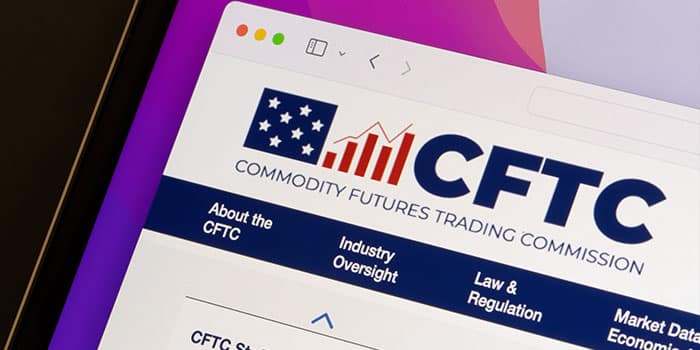
In a statement published on Friday, IGA has criticized the federal regulator, the Commodity Futures Trading Commission (CFTC), for what the association described as “ enabling” the further expansion of the market, which directly undermines tribal sovereignty as well as breaks established gambling laws.
IGA has even questioned the CFTC’s ability to regulate prediction markets, insisting that the regulator may need to answer to Congress. Senators have already urged the federal regulator to step in and do more to regulate the segment, citing “problematic topics” as a natural next focus.
As reported by CDC Gaming, IGA Chairman David Bean has taken a particular issue with the business model employed by prediction markets, specifically where they offer consumers the opportunity to place trades on event contracts involving sports, which Bean and fellow tribal leaders have called gambling.
According to him, federal regulators are failing to curb what is described as “illegal gambling,” with the activity currently taking place nationwide. These remarks are not without merit.
Under its most recent leadership, the CFTC has dropped its specific opposition to prediction markets and has engaged in crafting a framework that may offer further clarity in how prediction markets can legally offer their event contracts.
At the same time, state gambling regulators have pushed back against the arrival of prediction markets, with some issuing temporary bans over busy sports betting periods, while others have engaged in a life-and-death battle against the sector, mustering every resource they can to throw these platforms out of their jurisdictions.
Prediction Markets Are Not Likely to Disappear Any Time Soon
Bean sees the onslaught of prediction markets as a direct challenge to tribal sovereignty and the economic sustainability of gaming operations hosted on tribal lands.
While analysts have suggested that prediction markets do not have an absolute clout nor are they going to uproot traditional sports gambling, fears persist that these new markets face fewer challenges in offering their products, thus reaching customers more quickly.
Fidelity Portfolio Manager Peter Beliste has recently commented that, despite the gloomy outlook by some industry insiders, prediction markets are far from overtaking sports betting any time soon.The short-term, though, would be challenging for smaller companies as opposed to established gaming and betting giants such as FanDuel and DraftKings, Beliste acknowledged.
Jerome provides expert industrial analysis, exploring the shifting dynamics of emerging markets throughout the digital age. With a background in applied economics, he decodes how rapid digitalization and tech infrastructure disrupt traditional supply chains. His data-driven insights empower global investors and executives to navigate volatile economies and capitalize on untapped, high-growth opportunities worldwide.
Previous Article

Prediction Markets
March 2, 2026
Steve Wynn Transferred $32M Florida Mansion to Stepson, Ending Family Feud


Must Read
More Articles


Poker
June 1, 2026
Poker Pro Wants Gambling Ban Lifted












Lottery
May 29, 2026
Mega Millions Jackpot Reaches $331M for Tonight