
April 29, 2026
3 min read
Fact-checked by Stoyan Todorov
Ohio Moves to Treat Prediction Markets Like Sports Betting
State Senator Bill DeMora put forward a proposal that aims to ensure Ohio is prepared for potential shifts in the interpretation of federal law
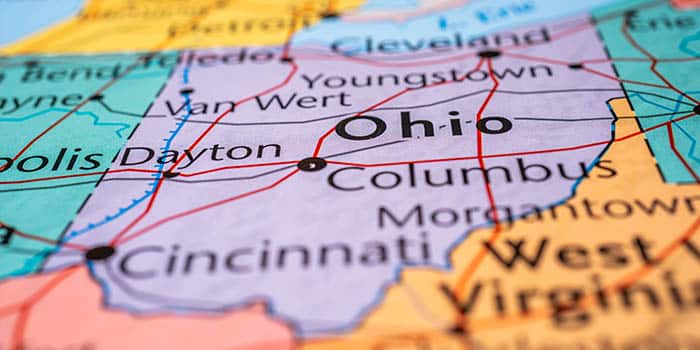
New laws in Ohio could change the way prediction market platforms work in the state, especially those that offer contracts based on sporting events.
Ohio Moves to License and Tax Sports Event Contract Trading
The proposal filed under Senate Bill 430 wants to officially call trading on contracts for sports events a type of sports gaming. Under the measure, platforms that allow these kinds of trades would have to get licenses, follow the rules set by regulators, and pay taxes just like current sportsbook operators do.
State Senator Bill DeMora introduced the bill and said that the goal of the initiative is to make sure Ohio is ready for any changes in how federal law is interpreted. There are still court cases going on in the US that have brought up the question of whether prediction markets are regulated by federal commodities laws or state-level gambling laws.
DeMora has said that if courts let these platforms keep offering sports-related contracts, they should not be able to do so outside of the normal betting rules. He thinks that the activity is very similar to traditional betting, no matter what it is called, and should be treated the same way by the law and the government.
The main part of the law proposal is a clause that broadens the definition of sports gaming to include using prediction markets to buy and sell contracts based on the outcomes of sporting events. The Ohio Casino Control Commission, which already oversees licensed betting operators, would now be in charge of these kinds of platforms.
Ohio and Iowa Lead New Effort to Regulate Event Trading
The move comes in the middle of a bigger legal fight involving companies like Kalshi, which say that the Commodity Futures Trading Commission has control over their services. Ohio and a few other states have disagreed with that view, saying that contracts related to sports are gambling when they are offered to residents.
Ohio regulators have already taken steps to enforce the law, including plans to fine operators who are accused of offering unlicensed betting products millions of dollars. At the same time, courts in different places have made different decisions, which makes it more likely that the US Supreme Court will have to decide the issue in the end.
Ohio is not the only state that is doing this. Iowa lawmakers have passed similar laws that would require prediction market operators to pay licensing fees and taxes. This is part of a growing trend among states that want to take control of the new industry.
Ohio’s bill would make platforms follow the same rules as sportsbooks, such as age limits, compliance checks, and responsible gambling measures. Supporters say that this would make the rules more consistent and bring in more tax money for the state.
DeMora has also been involved in separate debates about changes to sports betting and broadcasting. Recently, he has voiced concerns about the rising cost of watching live games through multiple streaming services. He has also criticized some gambling proposals, saying they could hurt both consumers and the industry.

Silvia has dabbled in all sorts of writing – from content writing for social media to movie scripts. She has a Bachelor's in Screenwriting and experience in marketing and producing documentary films. With her background as a customer support agent within the gambling industry, she brings valuable insight to the Gambling News writers’ team.


Must Read
More Articles


Casino
April 29, 2026
Massachusetts Casino Player Scoops $25K Jackpot

Casino
April 29, 2026
Mexico Disputes Report on 20 Casino Licenses


Lottery
April 28, 2026
Week Kicks Off without Powerball Winner, Jackpot at $143M

Lottery
April 28, 2026
Man in NC Wins Biggest Fast Play Jackpot – $1.6M

Casino
April 28, 2026
Defamation Case Expands into Battle Over Casino Plans



Casino
April 28, 2026
Pragmatic Play Welcomes You to Dragon Pots Megaways

Poker
April 27, 2026
Poker Pro Maurice Hawkins Files for Bankruptcy