Minnesota Governor Signs Prediction Market Ban – US’ First

Key Points
- Minnesota’s governor, Tim Walz, has signed the bill that bans prediction markets in the state
- The decision has prompted a swift response from the CFTC, the federal regulator in charge of event contracts
- The original bill was amended to make an adjustment and allow for prediction markets on the weather
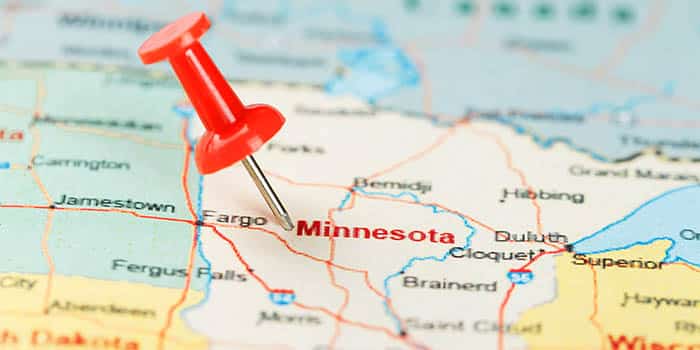
After lawmakers passed a bill outlawing prediction markets with a strong majority last week, Minnesota Gov. Tim Walz finally did his bit and signed the draft into law.
The decision came at a time of intensified head-to-head between state regulators, attorneys general, and the federal watchdog, the Commodity Futures Trading Commission (CFTC), which has repeatedly challenged the ability of gaming overseers and state-elected officials to, what the CFTC described, preempt federal regulation.
Prediction Markets Set to Go Out in Minnesota, but a Lawsuit Tries to Challenge This
However, while in most other cases, gaming regulators or attorneys general sought to block prediction markets through cease-and-desist letters, Gov. Walz’s decision to back policymakers sets a new precedent – the outright outlawing of prediction markets in Minnesota and subsequent criminalization of operations.
“We as a state should decide how best and what regulations we think should attach to gambling, to protect public safety, to protect our kids,” said bill sponsor Minnesota Rep. Emma Greenman.
The CFTC has, however, not wasted any time, anticipating Gov. Walz’s backing of the measure, and has launched a counter-lawsuit that wants to block the law before it comes into effect on August 1, 2026, as revealed on the regulator’s official website.
“The new legislation represents the most aggressive move by a state to shut down CFTC-regulated markets and undermine the federal regulatory regime set up by Congress more than 50 years ago,” the CFTC’s Chairman Michael S. Selig noted in the official statement.
He argued that the law sought to turn lawful operators and participants in prediction markets into “felons overnight.”
Prediction Markets Attacked in the US, But They Hold Their Ground
Minnesota had to demur on certain matters, and the original bill seeking to outlaw prediction markets actually had to make one important amendment and allow trading on weather, as the agricultural industry has found this data highly useful.
While Minnesota is the first state to formally outlaw prediction markets, it is hardly the only state that has actively pursued a more aggressive stance against the market, with many local gaming regulators describing the products offered by Kalshi and Polymarket as “gambling” with none of the customary regulatory checks carried out.
For their part, prediction market platforms have refused to accept this description, arguing that their products were well-established in historic precedent and constituted a financial product that could not be regulated under gaming laws.
Jerome provides expert industrial analysis, exploring the shifting dynamics of emerging markets throughout the digital age. With a background in applied economics, he decodes how rapid digitalization and tech infrastructure disrupt traditional supply chains. His data-driven insights empower global investors and executives to navigate volatile economies and capitalize on untapped, high-growth opportunities worldwide.

Must Read
More Articles