Senate Takes Aim at Sports Prediction Markets

Key Points
- Lawmakers warn prediction markets tied to sports are increasingly resembling unregulated gambling
- Sen. Adam Schiff says the CFTC lacks the resources to properly oversee the fast-growing sector
- A bipartisan bill aims to restrict sports-linked contracts while allowing hedging-related financial uses
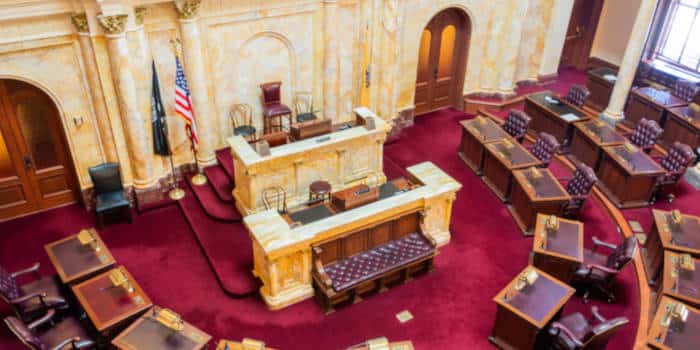
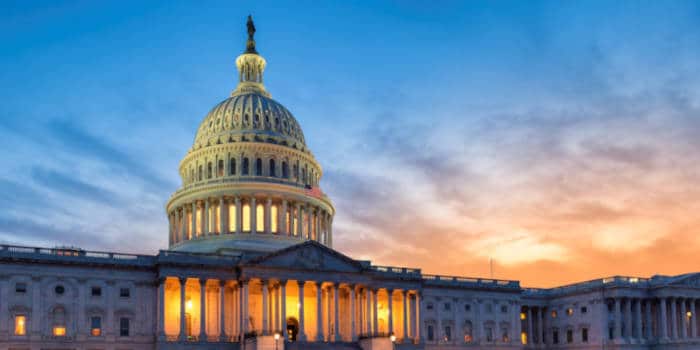
Lawmakers warn that the fast-growing prediction markets industry is starting to look like unregulated sports betting, as a nascent fight for the future of prediction markets in the United States heats up.
Senator Adam Schiff Raises Concerns Over Sports Contracts on Prediction Platforms
Democratic US Senator Adam Schiff noted that venues that do event-based contracts have moved away from their original financial intent. He said the line between speculative trading and gambling has become harder and harder to tell in a policy discussion in Washington, especially when contracts are linked to sports outcomes, reported Covers.
Current oversight mechanisms are not designed to deal with the rapid growth of these markets, Schiff said. He cited staffing shortages and reduced enforcement capacity at the federal agency that oversees such platforms, the Commodity Futures Trading Commission (CFTC). The regulator does not have the staff or the technical infrastructure to monitor the increasingly complex trading activity, he said.
The senator also presented the issue in terms of states’ rights. He warned that federally regulated sites could effectively sidestep local laws where sports betting remains illegal. That, he said, threatens to undermine the authority of states and the governing structures of tribes that have traditionally regulated gambling activity.
US Senate Proposal Seeks to Separate Financial Hedging From Gambling-Like Markets
To address those concerns, Republican Sen. John Curtis and others have introduced a bipartisan bill. The bill would prohibit prediction markets on sporting events and other activities akin to casinos, but would permit contracts with a legitimate economic purpose, such as hedging against commodity prices or weather.
Supporters of the bill say many of these platforms are a workaround to existing gambling regulations. They also express concerns about accessibility, including the fact that users may be able to participate at a younger age than they would be permitted in traditional betting environments. Lawmakers have also cited data showing that a minority of highly sophisticated participants rake in most of the profits, leaving casual users at a disadvantage.
However, industry representatives vigorously dispute these claims. Executives from regulated exchanges like Kalshi say their platforms are transparent and operate under federal oversight and should not be treated like a casino. They point to the possibility of prediction markets as useful tools for grappling with uncertainty in the real world, from weather disruptions to economic ups and downs.
The debate is playing out as legal battles continue in several states, with courts being asked to decide whether these contracts fall under federal commodities law or state gambling rules. The outcome of these cases could ultimately set the tone for the regulatory landscape across the nation.
With prediction markets becoming increasingly tied to technologies such as cryptocurrency and algorithmic trading, policymakers are facing mounting pressure to clarify the legal status of prediction markets.
Schiff has not gone so far as to call for an outright ban but has indicated that the ability to differentiate between useful financial instruments and speculative betting will be key to future regulation.
An expert in industry analysis, Silvia closely tracks global mergers, acquisitions, and transitions in corporate strategy. She investigates market consolidation and competitive dynamics. Her sharp financial insights help executives and investors decode complex structural shifts, empowering them to navigate high-stakes deals and capitalize on emerging industry trends worldwide.

More Articles



Lottery
May 13, 2026
Iowa Man to Take $2.2M from Millionaire for Life


Legal
May 12, 2026
Waitress Sues Casino over Disputed High-Stakes Tip



Casino
May 12, 2026
New Jersey Bill Targets Sportsbook Bonus Offers