New Jersey Eyes World Cup Betting Levy to Ease Hosting Burden

Key Points
- New Jersey lawmakers proposed a temporary 10% surcharge on World Cup-related online sports betting revenue
- The plan also adds temporary hotel, sales, and rideshare fees
- Critics argue the proposal breaks promises against tax increases
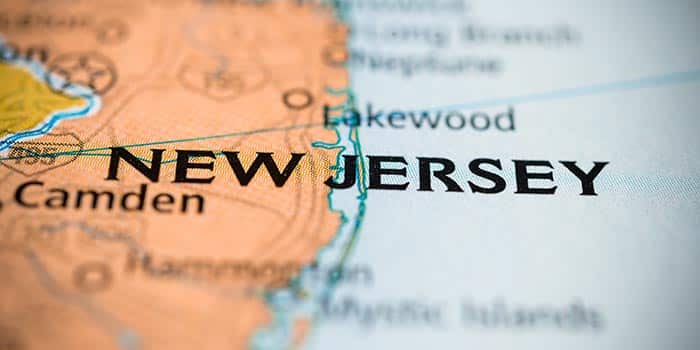
New Jersey lawmakers are advancing a proposal that would temporarily raise taxes on sports betting tied to the 2026 FIFA World Cup as officials search for ways to cover the soaring costs of staging the global tournament.
New Jersey Targets Sportsbook Revenue to Fund World Cup
The legislation introduced in both chambers of the state legislature by Democratic Senator Paul Sarlo and Assemblyman Michael Venezia, would place a 10% surcharge on online sportsbook revenue generated from wagers connected to World Cup matches. The measure would apply during the tournament period next summer when MetLife Stadium in East Rutherford hosts eight matches, including the final, as reported by Covers.
Under the proposal, the additional charge would be imposed on betting operators already paying state gambling taxes. The definition of World Cup wagering would extend beyond standard match bets and include player-related prop wagers and other tournament-specific markets.
Supporters argue the temporary fees are necessary to prevent residents from absorbing the financial strain associated with hosting one of the world’s largest sporting events. Revenue generated from the betting levy, along with several other proposed surcharges, would be directed toward state funds intended to offset tournament expenses.
The broader package includes a temporary hotel occupancy fee, higher sales taxes within the Meadowlands district, and a small rideshare surcharge for trips connected to the stadium area.
New Jersey Faces Backlash Over World Cup Funding Plan
Governor Mikie Sherrill’s administration has defended the plan by describing it as a tourism-focused funding mechanism rather than a long-term tax increase. State officials maintain that visitors attending the World Cup should help contribute to the operational and transportation costs surrounding the event.
The proposal has already triggered criticism from lawmakers across party lines. Opponents argue the state is breaking previous promises not to raise taxes and warn the added costs could affect businesses and consumers during a major international event.
Several legislators have also questioned whether the state has disclosed the financial obligations tied to hosting the tournament. Concerns have centered on infrastructure spending, security operations, and transportation planning.
The debate grew fiercer after reports emerged that NJ Transit could sharply raise transportation prices during the tournament. Round-trip train fares between Manhattan and MetLife Stadium are expected to cost far more than standard rates, while shuttle services may also carry premium pricing.
State officials estimate transportation expenses alone could reach $50 million, with New Jersey responsible for moving tens of thousands of fans for each match. Governor Sherrill has criticized FIFA for not providing funding to support transit operations.
Financial concerns around the World Cup are not limited to New Jersey. Studies from tax policy groups suggest host cities across the United States could face major public expenses while FIFA retains the majority of tournament revenue streams such as ticketing and concessions.
With the opening match less than two months away, lawmakers now face mounting pressure to decide whether the temporary surcharges are a practical solution or a risky gamble.
An expert in industry analysis, Silvia closely tracks global mergers, acquisitions, and transitions in corporate strategy. She investigates market consolidation and competitive dynamics. Her sharp financial insights help executives and investors decode complex structural shifts, empowering them to navigate high-stakes deals and capitalize on emerging industry trends worldwide.
More Articles








Casino
May 6, 2026
Washington D.C. May Legalize Online Casinos