Tennessee Bans Online Sweepstakes Casinos Under New Law

Key Points
- Tennessee, US, has officially banned sweepstakes casinos in the state
- The newly signed bill targets dual-currency casino-style gaming and related advertising
- Tennessee joins other US states cracking down on online sweepstakes gambling
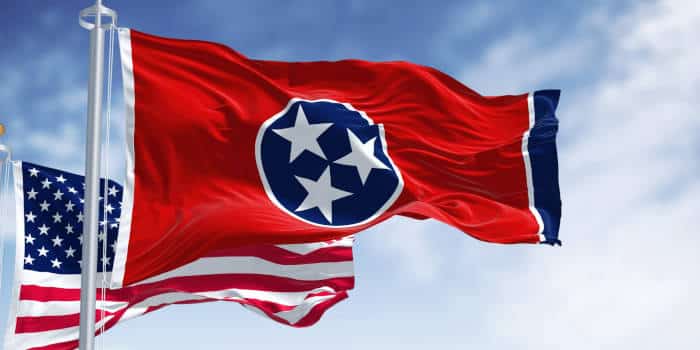
Another US state says “no” to sweepstakes. Courtesy of Governor Bill Lee, who recently signed Senate Bill 2136 into law, Tennessee has now also moved to shut down online sweepstakes casinos.
The decision marks a clear shift in the way the Volunteer State chooses to tackle gambling-style platforms online.
The Dual-Currency System Issue
The legislation, which had already passed both chambers of the state legislature earlier this month, takes direct aim at online services that use a dual-currency system to simulate casino play.
These platforms allow players to acquire one type of virtual currency through purchases while also providing a second currency for free via bonuses or promos.
Users can then use either form of currency to participate in casino-style games, and, most importantly, some winnings are actually redeemable for cash or cash equivalents.
Under the new legislation, however, this model is no longer allowed in Tennessee, which means operations running or promoting such platforms are working outside the law.
The legislation specifically covers games that resemble slot machines, poker, table games, bingo, and unlicensed sports wagering.
On the other hand, the law does not affect legal gambling activities in the state, such as sports betting, fantasy sports, the Tennessee Education Lottery, nonprofit gaming, or free-to-play entertainment games.
Joining Nationwide Efforts
Tennessee is now part of a growing group of US states that have moved to restrict or ban sweepstakes casino operations altogether.
States including New York, New Jersey, California, Connecticut, Indiana, Iowa, Maine, and Montana have already introduced similar measures in recent years. In many cases, operators either withdrew voluntarily or ceased offering services following regulatory pressure.
Even prior to putting ink to paper on the new law, Tennessee’s Attorney General had begun enforcement actions against multiple platforms, issuing cease and desist letters to dozens of operators. Many companies responded by either shutting down their services in the state or exiting the market entirely.
Officials say the practical impact on most residents will be limited, as many major sweepstakes casino brands had already left Tennessee ahead of the vote.
Still, the law formalizes a position the state had been moving toward for months and gives regulators stronger tools to act against any remaining operators.
With SB 2136 now in effect, Tennessee has firmly closed the door on sweepstakes casino operations, aligning itself with a wider national effort to regulate online gambling more strictly.
Melanie specializes in analyzing legalities and the ongoing development of land-based gaming infrastructure. She tracks zoning regulations, casino expansions, and the legislative hurdles of resort development. Her sharp insights guide operators through the complex permitting processes required to build tomorrow’s premier brick-and-mortar gaming destinations.

Must Read
More Articles




Casino
May 26, 2026
Casino Veteran Spent Almost 70 Years in Industry



Casino
May 25, 2026
Playnetic Adds Content to Stake’s Library

Lottery
May 25, 2026
Woman Defies 1 in 300M Odds to Win $1M Jackpot