
February 18, 2026
3 min read
Fact-checked by Angel Hristov
Caesars CEO Sees No Crisis in Las Vegas, Only Seasonal Patterns
Despite a steady reduction in visitor numbers, industry leaders remain optimistic that Vegas can adapt to shifting market trends and retain its leadership position
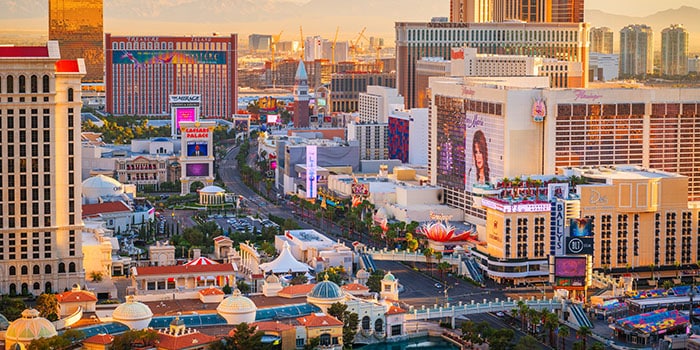
Las Vegas has never stood still throughout its history. Resorts have come and gone, with business models constantly shifting to match hospitality trends. 2026 may mark another turning point for the Strip. Room rates have declined, guest numbers are lower, and international visitors are increasingly rare. However, Caesars Entertainment CEO Thomas Reeg insists that fears of a long-term slump are unfounded.
Quieter Periods Remain Challenging for Operators
In Q4 2025, Caesars’ hotel occupancy averaged 92%, down from 96.5% the previous year. Average daily room rates declined roughly 9%. The figures sparked fears of an economic downturn. However, Reeg believes these metrics are just signs of a market readjusting after several years of extraordinary demand.
There is nothing unusual happening here. I expect it to recover with time, and we are already seeing that happen over the fourth quarter and into the first quarter.
Tom Reeg, Caesars Entertainment CEO
The Caesars CEO noted that Q4 was one of the most profitable in the company’s history, thanks to high-profile events like the F1 Grand Prix and the Super Bowl. He noted that the company achieved 20,000 room bookings during the quarter while maintaining 92% occupancy. He denied any concerns about an upcoming crisis, insisting that the figures reflected normal cyclicality.
There is really no crisis happening in Vegas. It is normal cyclicality, and it will play itself out. Center Strip is holding up quite well.
Tom Reeg, Caesars Entertainment CEO
The Strip usually operates at full capacity during major sporting events or marquee concerts. Suites are booked months in advance, restaurants run at capacity, and premium packages command top dollar. The city generates most of its income through these peak periods. However, the periods between these surges are where the true challenge lies.
Vegas Remains Highly Adaptable
According to Reeg, demand during slower periods can dip to 80%, and then spike again during the next event, creating significant operational challenges. Resorts are experimenting with targeted promotions, bundled experiences, and selective rate adjustments to smooth the curve. These patterns are largely due to Vegas’s efforts to expand its appeal beyond gaming.
Sports franchises, music residencies, and immersive productions now share the spotlight with the Strip’s casino floors. The proposed Oakland Athletics ballpark on the former Tropicana site is a perfect example of this shift. Sportsbooks have also evolved into social spaces, especially during football season and March Madness. Chances are, if you are looking for a specific kind of entertainment, you will find it in Vegas.
While Reeg’s optimism is not unfounded, the Strip is facing some real challenges. International tourism remains uneven. Canadian visitors, once a common sight, are now dwindling. Critics also argue that Las Vegas has become too expensive, particularly compared with a decade ago. Reeg counters that the product is now much better. The next phase of growth will depend on whether visitors believe those offerings are worth the cost.

Deyan is an experienced writer, analyst, and seeker of forbidden lore. He has approximate knowledge about many things, which he is always willing to apply when researching and preparing his articles. With a degree in Copy-editing and Proofreading, Deyan is able to ensure that his work writing for Gambling News is always up to scratch.
Previous Article

Industry
February 18, 2026
Nevada Sues Kalshi in Escalating Battle over Sports Event Contracts

Next Article

Industry
February 18, 2026
Revised Partnerships Policy Halts Paid Gambling Promotion on X
More Articles


Sports
April 3, 2026
Las Vegas Mayor Announces Downtown NBA Arena Plan



Lottery
April 3, 2026
Georgia Lottery Confirms $1M Winner on Thursday


Casino
April 3, 2026
Gambler Wins $10M in Nevada on April Fool’s Day

Sports
April 3, 2026
Wisconsin Online Sports Betting Bill Awaits Governor
Sports
April 3, 2026
Louisiana Drops Prop Bet Ban Over Revenue Concerns
