December 12, 2025
2 min read
Fact-checked by Stoyan Todorov
Supreme Court Delay Freezes India’s Gaming Sector
India’s top court has pushed the online gaming case to the strat of net year, leaving operators stuck in a legal gray zone with no clear timeline for relief
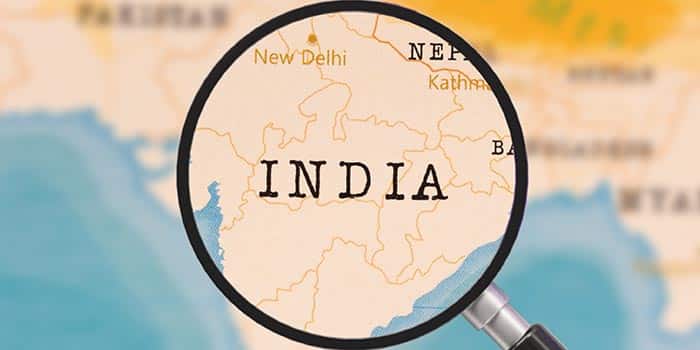
India’s online gaming sector is still stuck in uncertainty after the Supreme Court decided on Thursday to push the case back to late January. The judges said the challenges to the Promotion and Regulation of Online Gaming Act are complex enough that they need to be reviewed by a three-judge Bench.
Local outlets reported that the matter will now be heard on January 21, 2026. The delay seriously affected operators, who told the court that the entire industry has been frozen while everyone waits for clarity. The law hasn’t even been officially notified yet, but companies say the market has already come to a standstill.
The Act, which was rushed through parliament in August and signed soon after, doesn’t just target online casino games, but also requests a ban on skill-based games such as fantasy sports, esports, and poker. Anyone offering real-money games under the new law could face up to three years in jail and a fine.
The Power Debate
Industry groups are challenging the bill on several fronts, arguing that the Constitution gives states the right to regulate or prohibit gaming, further explaining that the parliament may not have the authority to impose a nationwide ban. Others, however, question whether parliament even has the ability to enforce the law effectively.
Their point is that if neither the states nor the Union government has the full constitutional power to handle online gaming alone, any attempt by one level of government could undermine the other. On Thursday, the Supreme Court said this overlap is exactly why a larger Bench must take on the case.
The current petition was filed by Head Digital Works, an online gaming firm that says the ongoing delay is harming the industry even before the law comes into effect. The company argued that postponing a decision amounts to “de facto enforcement” because most operators feel forced to pause their services while the matter is unresolved.
The court also heard that firms choosing to stay in the market and wait for a ruling are absorbing high costs.
According to Storyboard18, the Supreme Court is expected to settle the key question of who has the authority to regulate or ban real-money online gaming early next year. Depending on the ruling, that power could rest with the Union, the individual states, or both, a decision that will determine the future of the entire industry.

Jerome brings a wealth of journalistic experience within the iGaming sector. His interest in the industry began after graduating from college, where he regularly participated in local poker tournaments. This exposure led him to the growing popularity of online poker and casino rooms. Jerome now channels all the knowledge he's accrued to fuel his passion for journalism, providing our team with the latest scoops online.


Must Read
More Articles


Industry
March 10, 2026
Armed Men Rob Delaware Park Casino Guests, Steal a Car


Casino
March 10, 2026
Boyd New Casino Update: Cadence Crossing to Open March 25

Casino
March 10, 2026
Swiss Casinos Zurich Busts Global Cut-Card Scam
Casino
March 10, 2026
Dutch Gambling Sector Urges Tax Review After Revenue Drop