
March 30, 2026
3 min read
Shirt Sponsorship Restrictions Force Premier League Clubs to Seek Alternatives
It remains unclear whether the Premier League’s move is a one-time development or the start of a broader crackdown against gambling sponsorships
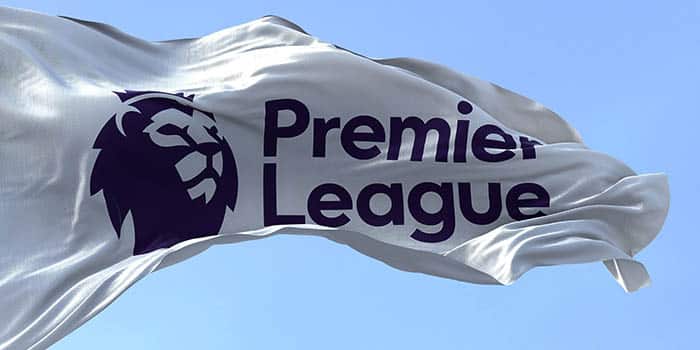
The Premier League has maintained its status as one of the most lucrative sponsorship partners in international sports. Next season, though, one of the most visible pieces of that ecosystem will disappear as gambling company logos will no longer appear on the front of matchday shirts. The change is already affecting soccer club budgets, as finding a suitable replacement is proving more challenging than expected.
Soccer and Gambling Often Go Hand-in-Hand
For years, betting brands paid a premium for shirt space. The cost was justified, as jersey logos provided significant value. Such displays bolstered legitimacy, reached millions of fans, and transformed shirts into moving billboards. For clubs outside the very top of the ladder, these deals were necessary to keep up the pace. Now, that revenue is proving difficult to replace.
Smaller clubs such as West Ham United, Fulham, and AFC Bournemouth may be disproportionately affected. Without the broader appeal of the so-called “Big Six,” they relied on sponsorship deals with gambling companies, which often paid more than traditional sponsors. Early talks with potential replacements have highlighted this discrepancy, as new deals may bring in less than half the value for teams.
Brands outside the gambling sector are more cautious, less willing to spend big on sponsorships, and often more selective about which clubs they back. Meanwhile, the EFL Championship faces no such issues. Without a similar ban, second-tier clubs remain heavily reliant on gambling sponsorships, offering visibility in a competitive yet less restrictive environment.
Teams and Operators Are Shifting Strategies
The Premier League’s decision coincides with growing concerns about the visibility of betting advertisements, particularly among younger fans. According to critics, the constant exposure to gambling ads through shirts, broadcasts, and digital content has blurred the line between sport and wagering. The league’s decision to remove such content from the most visible space reduces concerns without cutting ties completely.
Teams still have many available options. Sleeve sponsorships, training kits, and digital campaigns remain valuable alternatives and may often be more effective. More clubs are leaning into content, such as behind-the-scenes footage, social media clips, and player-driven storytelling. This shift offers sponsors a new way to engage with fans beyond matchday.
The gambling industry is also adapting rapidly. Some brands are exploring more gradual onboarding methods, such as free-to-play games and informational platforms, that focus on user interaction rather than direct wagering. The approach mirrors how other regulated industries have adjusted to tighter advertising rules by shifting their advertising methods instead of disappearing.

Deyan is an experienced writer, analyst, and seeker of forbidden lore. He has approximate knowledge about many things, which he is always willing to apply when researching and preparing his articles. With a degree in Copy-editing and Proofreading, Deyan is able to ensure that his work writing for Gambling News is always up to scratch.


Must Read
Casino
March 25, 2026
Unbeatable: Stake Rules iGaming Streaming in 2026 Boom
Sports
March 26, 2026
UK Keeps Horse Racing Levy Unchanged to Industry Dismay
More Articles







Industry
March 26, 2026
Entain’s Bwin Fined in Denmark over Misleading Promotion

Sports
March 26, 2026
Votes Are Out: NBA Ready to Expand With Vegas, Seattle

Sports
March 26, 2026
UK Keeps Horse Racing Levy Unchanged to Industry Dismay

Sports
March 25, 2026
NFL Named Alongside Gambling Companies in New Lawsuit

Insider
March 25, 2026
Study Warns of Rising Gambling Appeal Among Women


Industry
March 24, 2026
Ukraine Is Set to Stop Military Personnel from Gambling