March 3, 2026
3 min read
Fact-checked by Stoyan Todorov
Prediction Markets Face Scrutiny After Iran Leader’s Death Bets
On both Kalshi and Polymarket, users could trade contracts linked to scenarios in which Khamenei might no longer hold his position
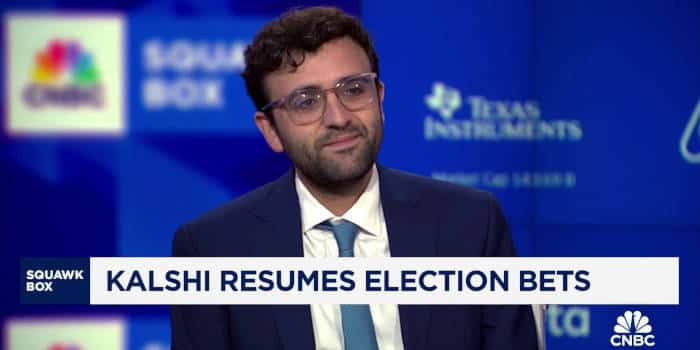
The killing of Iran’s Supreme Leader Ali Khamenei has ignited political backlash and regulatory concern in the United States after traders on prediction platforms speculated on his removal from power before the attack.
US Lawmakers Probe Prediction Markets After Iran Strike Bets
Lawmakers and analysts now question whether such markets allowed indirect wagering on a political assassination. Platforms including Kalshi and Polymarket had offered contracts tied to whether Khamenei would cease to hold office within specific timeframes. Although neither linked outcomes to his death, critics argue the distinction may be largely technical, as reported by The Wall Street Journal.
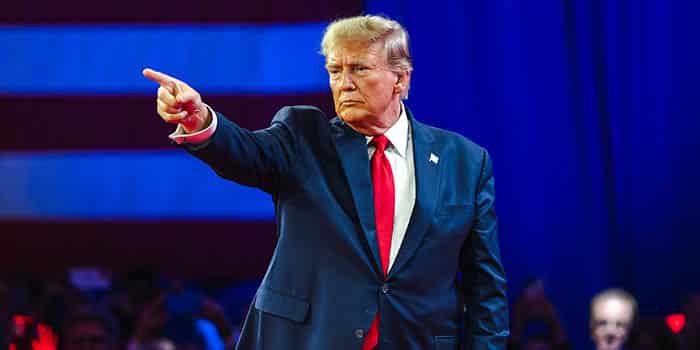
Some members of Congress have already signaled plans to push for tighter rules. They contend that speculation tied to violent geopolitical outcomes risks encouraging the misuse of sensitive information and could undermine public trust in financial markets. Officials close to the administration of Donald Trump rejected claims that government insiders benefited from the trading activity, saying policy decisions had no relation to market movements.
The controversy intensified after trading patterns suggested that certain users may have anticipated the military operation. Blockchain analysts reported clusters of accounts that placed large bets predicting a strike within days of the event, with some positions generating substantial profits once news of the attack emerged.
Kalshi Dispute Fuels Wider Debate Over War-Linked Betting
Kalshi executives defended their approach, saying the company’s contracts are structured in such a way that they avoid rewarding outcomes linked to an individual’s death. Leadership changes, they argued, can occur through resignation, removal, or internal power shifts and therefore represent broader geopolitical indicators rather than mortality-based events. The exchange settled its market based on the last price before confirmation of Khamenei’s death, refunded all fees, and compensated traders who entered positions after the event.
Still, many users accused the company of unclear communication and inconsistent rule interpretation. Online forums and social media were flooded with complaints from traders who believed the outcome should have triggered full payouts.
Regulators may soon weigh in. The Commodity Futures Trading Commission, which oversees licensed prediction exchanges in the US, already restricts contracts connected to warfare, terrorism, or targeted killings. Analysts say the latest episode could prompt the agency to clarify whether leadership-change contracts tied to active conflicts fall within those prohibitions.
The debate also extends beyond a single market. Growing volumes of geopolitical speculation on prediction platforms have led policymakers to question whether financial breakthroughs are outpacing existing safeguards. With national security implications now tied to online trading, the clash between open forecasting markets and regulatory limits appears set to intensify.

Silvia has dabbled in all sorts of writing – from content writing for social media to movie scripts. She has a Bachelor's in Screenwriting and experience in marketing and producing documentary films. With her background as a customer support agent within the gambling industry, she brings valuable insight to the Gambling News writers’ team.

Must Read
More Articles