
December 1, 2025
3 min read
Fact-checked by Angel Hristov
Pennsylvania’s Skill Games Remain in Limbo as Pressure Mounts for Regulation
While a ruling by the Supreme Court expected sometime next year could settle this debate once and for all, the state missed a critical opportunity to take decisive action
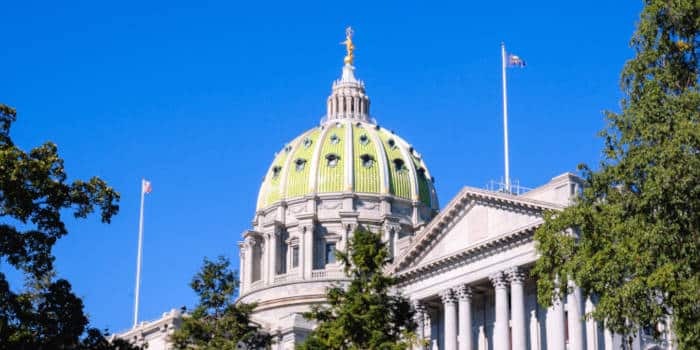
As the year is nearing its end, Pennsylvania lawmakers reached no agreement on how to handle the thousands of so-called “skill games” tucked into bars, social clubs, and gas stations across the state. Months of discussions and open acknowledgment from both parties that the status quo no longer works led nowhere, as the new budget left the machines exactly where they’ve been for years: outside state regulation and untouched by taxes.
Lawmakers Failed to Reach an Agreement
The outcome was a letdown for Governor Josh Shapiro. He had referred to the regulation and taxes of the machines as “unfinished business.” His government proposed a 52% levy that could contribute roughly $400 million to the state. Senate Republicans presented a rival plan with a 35% tax. However, neither proposal made it into the final budget deal.
The devices have become impossible to ignore. They mimic slot machines in appearance and gameplay but include a small element of player interaction that manufacturers claim separates them from traditional gambling devices. The legality of these devices now lies directly with the state Supreme Court, which heard arguments in November. Its decision will be critical for manufacturers and lawmakers.
The budget negotiation period faced enormous pressure from all sides. Casinos, which pay a 55% levy, pressed the lawmakers to level the playing field. The state’s leading skill games provider, Pace-O-Matic, instead lobbied for a 16% tax rate, supported by Senator Gene Yaw, whose constituency includes one of the leading manufacturers. Although lawmakers discussed various taxation schemes, they could not reach a consensus.
The Supreme Court May Have the Final Say
The deadlock has been as much about politics as about policy. Campaign finance disclosures indicate that various gaming interests, like casinos, horse racing, and skill game companies, have contributed millions to the political scene in Harrisburg. Pace-O-Matic alone allegedly financed a web of donations tied to aggressive mailers targeting Senate Republicans who backed higher tax rates.
With tensions rising, many legislators view 2026 as the next practical opportunity to pass a comprehensive bill unless the Supreme Court’s decision forces their hand sooner. Should the justices rule that skill games are gambling devices, legislators will have no option but to either license them under the state’s gaming regulations or prohibit them altogether.
A ruling in favor of the manufacturers could instead leave lawmakers dealing with the decision of whether to leave a multimillion-dollar industry unregulated at a time when the state is staring down budget gaps. In any case, the decision could set a precedent on how Pennsylvania regulates new products, as the growth of prediction markets could represent another rising challenge.

Deyan is an experienced writer, analyst, and seeker of forbidden lore. He has approximate knowledge about many things, which he is always willing to apply when researching and preparing his articles. With a degree in Copy-editing and Proofreading, Deyan is able to ensure that his work writing for Gambling News is always up to scratch.
Previous Article

Industry
December 1, 2025
Canadian Push for a Total Gambling Ad Ban Unlikely to Succeed


Must Read
More Articles





Poker
March 11, 2026
Poker Room Raid at The Lodge in Round Rock Sparks Questions
Industry
March 10, 2026
New Hampshire Lawmakers Push to Expand Charitable Gaming


Sports
March 10, 2026
Australian Banks Urged to Crack Down on Offshore Gambling
Casino
March 10, 2026
Boyd New Casino Update: Cadence Crossing to Open March 25