January 20, 2026
3 min read
Fact-checked by Angel Hristov
Mississippi Once Again Contemplates Legalizing Mobile Sports Betting
The fact that there’s a continued presence of a robust black market in Mississippi has fueled a strong push by some lawmakers to legalize mobile sports betting
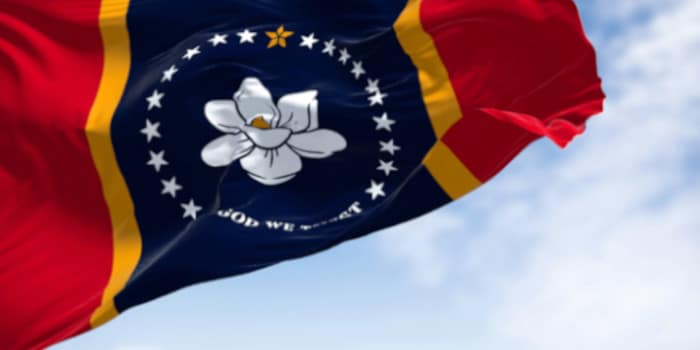
Mississippi lawmakers will make an attempt for the third year straight to legalize mobile sports betting, under the guise of aiding the Public Employees’ Retirement System (PERS), and also regulating the black market betting scene.
What’s New in This Year’s Proposal?
One major difference now is the directing of all state revenue from online betting to the state’s government pension system. Lawmakers in the House and Senate remain divided over how to stabilize the PERS, which carries roughly $26 billion in unfunded liabilities. The proposal also includes additional “compromises” aimed at addressing concerns from legislators who have previously opposed legalization.
The Senate has already sent the House a bill that would allocate $500 million from the state’s current surplus to PERS, along with an additional $50 million annually over the next decade. House leaders, meanwhile, have proposed creating a recurring revenue stream for PERS, either through the state lottery or by legalizing mobile sports betting.
The fact that there’s a continued presence of a robust black market in Mississippi has fueled a strong push by some lawmakers to legalize mobile sports betting. According to Casey Eure, a Republican from Saucier who chairs House Gaming, legalizing mobile sports betting would curb much of the illegal market and help protect underage bettors. Eure added that the legislation would create a new revenue stream for brick-and-mortar casinos while directing state-generated revenue toward narrowing the funding gap in PERS.
However, Some Still Oppose the Bill
Senate Gaming Chairman David Blount, a Democrat from Jackson, is one of the major voices opposing the legislation. He explained that said that directing the tax revenue to PERS would not be sufficient to justify approving the measure.
Blount said that even if mobile sports betting were legalized immediately, it would take more than 1,000 years to eliminate the retirement system’s unfunded liability. He added that the revenue involved is negligible compared with the system’s $26 billion shortfall.
Legalizing online betting could potentially bring in up to $80 million annually in tax revenue. However, Blount said the estimates he has seen top out at around $30 million. Whichever the case is, the revenue would be far from enough to address the retirement system’s unfunded liabilities in the near term.
Blout also pointed to prediction markets. Under the Trump administration, the Commodity Futures Trading Commission adopted a relaxed approach to regulating prediction markets, enabling platforms to expand their offerings in states across the country. This includes Mississippi, where mobile sports betting remains illegal.
According to Blount, prediction markets have effectively legalized mobile betting nationwide. He noted that any projected revenue from last year has likely been reduced. This is due to the administration’s actions, as no state can tax or regulate prediction markets, which function as a form of gambling, according to him.
Then again, Mississippi’s current effort to legalize mobile sports betting is being presented not as an expansion of gambling but as a new pension policy, which may tip the scales in favor of the law being passed in 2026.

Stefan Velikov is an accomplished iGaming writer and journalist specializing in esports, regulatory developments, and industry innovations. With over five years of extensive writing experience, he has contributed to various publications, continuously refining his craft and expertise in the field.
Previous Article

Industry
January 20, 2026
Finland’s President Approves Gambling Overhaul Legislation


More Articles



Lottery
March 6, 2026
Texan Wins the Second-Largest Two Step Jackpot Ever


Sports
March 6, 2026
PrizePicks Bids Canada Adieu, Doubles Down on US Push