December 22, 2025
3 min read
Fact-checked by Angel Hristov
Jury Finds Grand Gateway Hotel Liable for Discrimination Against Native Americans
NDN Collective Director Dr. Valeriah Big Eagle emphasized that no amount of financial compensation can fix racism or fully make NDN Collective and the people it represents whole.
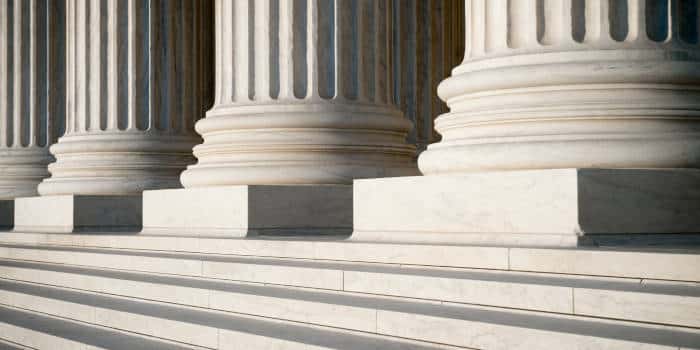
Retsel Corporation, the owner of the Grand Gateway Hotel in South Dakota, which sparked controversy in 2022 after stating that Native Americans were banned from the property, was found liable under the Civil Rights Act for discriminating against the minority group.
Jury Sides with the NDN Collective
The decision was made by a federal jury after the indigenous rights campaign group, the NDN Collective, sued the casino hotel for allegedly denying native Americans from booking rooms on two separate occasions. Retsel Corporation will be required to pay tens of thousands of dollars in damages to several plaintiffs who were denied service at the hotel. In addition, the jury awarded $1 to NDN Collective, a sum that may seem trivial, but was more symbolic as the organization sued for that exact amount.
Wizipan Garriott, president of NDN Collective and an enrolled member of the Rosebud Sioux Tribe, said the lawsuit was never about money, noting that the group sought just this one dollar in damages. He explained that the case was meant to put the discrimination on the record and to use the ruling as an opportunity to directly call out racism.
NDN Collective Director Dr. Valeriah Big Eagle echoed this feeling, also saying that the case was never about money, emphasizing that no amount of financial compensation can fix racism or fully make NDN Collective and the people it represents whole. She added that the victory demonstrates a readiness for something better.
Here’s More Details About What Sparked the Lawsuit
The group filed the class-action civil rights lawsuit against Retsel Corporation, the hotel’s owner, in 2022. In March of that year, Connie Uhre, the late owner of the hotel and casino, posted on social media that she intended to bar Native Americans from the property following a fatal shooting at the hotel involving two teenagers.
Myron Pourier Jr., 19, was killed in the shooting, and both he and the shooter, Quincy Bear Robe, were Native American. Bear Robe was later sentenced to 75 years in prison for the crime.
In a Facebook post, Uhre wrote that she would not “allow a Native American to enter our business, including Cheers,” referring to the hotel’s bar and casino. The incident sparked protests in Rapid City and drew condemnation from the city’s mayor and tribal nations across the state.
Under an agreement reached with the US Department of Justice in November 2023, Uhre was required to issue a public apology and was prohibited from operating the hotel for four years. The proceedings were delayed after the company filed for bankruptcy in September 2024. It should also be noted that Uhre was not able to hear the jury’s final decision last Friday, as she died this September.

Stefan Velikov is an accomplished iGaming writer and journalist specializing in esports, regulatory developments, and industry innovations. With over five years of extensive writing experience, he has contributed to various publications, continuously refining his craft and expertise in the field.
Previous Article

Industry
December 22, 2025
FBI Tells the Public to Be Mindful of Responsible Gambling

Must Read
More Articles



Industry
March 13, 2026
Chicago’s Video Gambling Push Sparks Renewed Concerns

Lottery
March 13, 2026
Georgia Lottery Player Wins $2M from Scratch-off Ticket
Lottery
March 13, 2026
Mega Millions Jackpot at $50M for Tonight’s Drawing

Casino
March 13, 2026
Indiana’s Governor Signs Sweepstakes Ban into Law