December 11, 2025
2 min read
Judge Grants Kalshi Temporary Relief in Betting Dispute
A federal judge has paused Connecticut’s enforcement against Kalshi, giving the company time while its challenge over event-based contracts moves through the courts
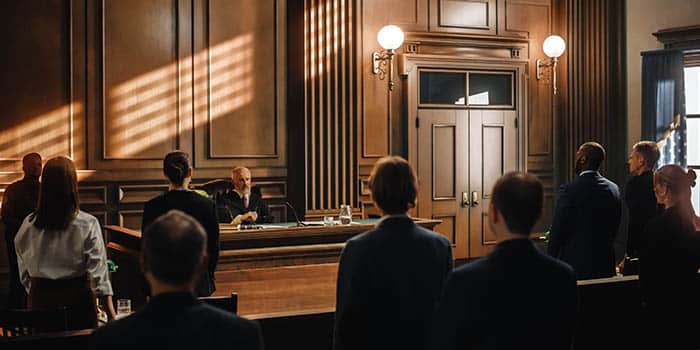
At the start of the month, Connecticut regulators took aim at KalshiEX LLC, Robinhood Derivatives, and Crypto.com, accusing them of running unlicensed gambling operations.
The Department of Consumer Protection said their sports wagering contracts broke state law and demanded that all three platforms immediately stop offering bets. A federal judge has now offered Klashi temporary protection.
The Prediction Marked Fought Back
State regulators instructed the companies, including Kalshi, to allow Connecticut users to withdraw funds, warning that failure to comply could lead to civil fines or even criminal charges.
Commissioner Bryan T. Cafferelli made the state’s stance clear, explaining that “only licensed entities may offer sports wagering in the state of Connecticut”, emphasizing that none of the targeted platforms hold such a license.
Regulators argued that without oversight, customers could be exposed to manipulated wagers, disputed payouts, or marketing aimed at underage or self-excluded users.
Kalshi reacted quickly, filing a lawsuit the day after receiving the order and arguing that its event-based contracts are governed by the federal Commodity Exchange Act, not state gambling law.
As such, the company claims, the Commodity Futures Trading Commission has sole authority over these products, leaving Connecticut regulators without jurisdiction.
Judge Offers Breather to Kalshi
A federal judge has now granted Kalshi temporary relief. Judge Verson Oliver ordered the state to pause enforcement while the case moves through the courts, giving Kalshi some breathing room.
Connecticut must file its initial response by January 9, 2026, with additional arguments due later that month. Oral hearings are scheduled for mid-February.
Connecticut is just one of several states taking action against the prediction market operator. Kalshi has relied heavily on the idea of federal preemption, citing the Dodd-Frank Act and arguing that state regulators cannot regulate its platform.
In Massachusetts, regulators are asking a judge to halt Kalshi’s operations for unlicensed betting. Judge Christopher Barry-Smith questioned whether laws intended to protect financial markets should really govern sports wagers, while state attorneys argued that Congress never intended those rules to cover recreational betting.
Meanwhile, Nevada dealt Kalshi a setback when a federal judge ruled that sports outcomes do not qualify as legitimate “events” under commodities law. That decision reinforced that Kalshi’s products fall under state gaming regulations, inspiring similar challenges in six other states.

After finishing her master's in publishing and writing, Melanie began her career as an online editor for a large gaming blog and has now transitioned over towards the iGaming industry. She helps to ensure that our news pieces are written to the highest standard possible under the guidance of senior management.


Must Read
More Articles





Poker
March 11, 2026
Poker Room Raid at The Lodge in Round Rock Sparks Questions


Industry
March 10, 2026
New Hampshire Lawmakers Push to Expand Charitable Gaming