January 26, 2026
3 min read
Fact-checked by Stoyan Todorov
Iowa Targets Prediction Markets with Steep Fees and New Taxes
Under the proposal, prediction markets would have to pay $10 million for an initial permit and $100,000 each year to renew it
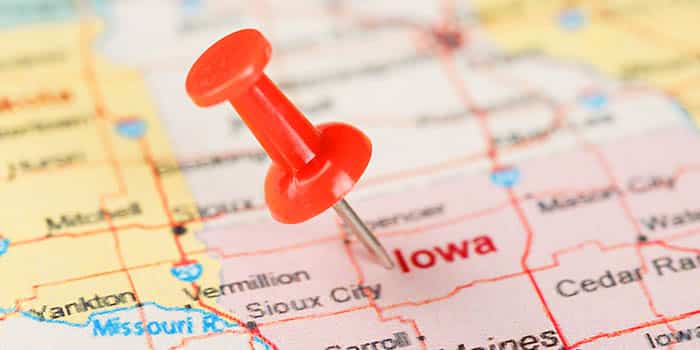
Iowa lawmakers have put forward a far-reaching plan that would change how prediction market platforms work in the state. Senate File 2085 aims to bring these booming trading services under state control, adding expensive licensing rules, a new tax system, and big changes to how the state taxes trader earnings.
Iowa Looks to Boost State Revenue Through Prediction Market Regulation
Prediction markets let users buy and sell contracts linked to real-world outcomes. These range from sports results and elections to lawmaking decisions and economic figures. While many of these platforms work under federal watch through the Commodity Futures Trading Commission, Iowa lawmakers say state-level rules are needed as the products more and more look like gambling.
The bill’s core is a permit system that would ban companies from offering event-based contracts to Iowans without the Department of Revenue’s approval. Getting the initial green light would cost $10 million, with yearly renewals setting companies back $100,000. All permits would run out at the end of June each year.
On top of the licensing fees, the plan puts forward a 20% tax on what it calls “adjusted revenues.” This number would come from taking the total fees collected from traders, minus payouts, and then using a formula to figure out the part tied to Iowa users. Both the tax and permit fees would go straight into the state’s general fund.
Iowa Targets Prediction Market Gains With Separate State Tax Rules
The new law changes how Iowa handles taxes on prediction market gains and losses. Contracts linked to real-world events will not follow some federal tax rules for derivatives when figuring Iowa taxes anymore. Traders will need to do a separate calculation for their state profits, add back what they made from these contracts, and cap deductible losses at 90% of those gains if they itemize. Platforms will also have to hold back state income tax on profits over $600.
Some of the tax rules are set to kick in from the beginning of 2026, which could affect people who have already traded in these markets this year.
People who back the bill say it would make things clearer and bring a fast-changing industry under proper rules. However, those against it point out that the plan does not include the usual safeguards you would find in regulated gambling, like ways to stop yourself from playing or easy-to-see help for addiction. They also say that high fees might force smaller companies out of business.
Iowa’s action comes as other states think about doing similar things. New York lawmakers have put forward plans to target sports prediction contracts, while courts in places like Massachusetts and Tennessee have decided whether these platforms count as gambling under the law.

Silvia has dabbled in all sorts of writing – from content writing for social media to movie scripts. She has a Bachelor's in Screenwriting and experience in marketing and producing documentary films. With her background as a customer support agent within the gambling industry, she brings valuable insight to the Gambling News writers’ team.

Must Read
More Articles




Lottery
March 12, 2026
Jersey Cash 5 Game Leads to $3.4M Payout


Casino
March 12, 2026
Monmouth Park Casino Resort Expansion Plan Gains Support

Sports
March 12, 2026
Ravens Cancel Maxx Crosby Trade After Medical Concerns

Industry
March 11, 2026
Washington Moves to Restrict College Athlete Prop Bets