March 13, 2026
2 min read
Fact-checked by Stoyan Todorov
Indiana’s Governor Signs Sweepstakes Ban into Law
The SGLA has expressed its frustration with the decision, but thanked lawmakers who have tried to regulate the issue rather than resort to an outright ban
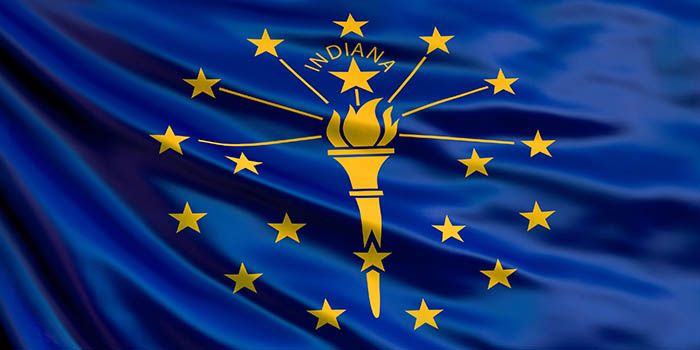
On March 12, Gov. Mike Braun of Indiana signed House Bill 1052 into law. This is a sweeping piece of legislation that will now eliminate any games that are based on the dual-currency model, or sweepstakes, which allows participants to play with a mock currency but then trade it in for real cash or rewards.
The new law will come into effect on July 1, 2026, and it will outlaw such business models, with sweepstakes operators criticizing the decision and calling it a break from well-established historic precedent.
The Social Gaming Leadership Alliance (SGLA) has expressed frustration with the decision, but also acknowledged that, despite the outcome, there were lawmakers who had tried to engage in a constructive dialogue and shift the focus away from a complete ban to regulation, which could have benefited the state more, the association said.
“We are disappointed that HB 1052 has become law, but are grateful to the many Indiana lawmakers who engaged thoughtfully on the merits of regulating this long-standing industry. Despite the outcome, the legislative record shows meaningful bipartisan support for a smarter approach that embraces innovation and economic growth.
We look forward to continuing to work with Indiana lawmakers on a regulatory framework for digital entertainment that protects the hundreds of thousands of Hoosiers who enjoy Social Plus games, while generating tens of millions in annual tax revenue,” explained SGLA managing director Sean Ostrow.
House Bill 1052 utilizes broad language meant to ensure that alternative systems that emulate casino-style games fall under its regulatory remit and are acted on.
The measure outlines several possible ways to deal with wrongdoers, including the issuance of a $100,000 fine against operators who knowingly offer those games. Some operators, though, continue to defy legislators and the general trend, seeing it as a short-term event and unsustainable, banking on the fact that they would eventually outlast lawmakers and defeat regulators.
The debate around sweepstakes has been a fierce one, with the SGLA and operators arguing that there were countless examples of sweepstakes promotions, such as the one offered by McDonald’s or Microsoft.
Sweepstakes have faced a state-wide push with lawmakers cottoning on and trying to shutter the sector across multiple states through individual local efforts. So far, they have succeeded. Sometimes, individual cities have taken action against the sweepstakes sector, doubling down on the idea that they offer unregulated and illegal gambling.

Jerome brings a wealth of journalistic experience within the iGaming sector. His interest in the industry began after graduating from college, where he regularly participated in local poker tournaments. This exposure led him to the growing popularity of online poker and casino rooms. Jerome now channels all the knowledge he's accrued to fuel his passion for journalism, providing our team with the latest scoops online.


More Articles