December 19, 2025
2 min read
Fact-checked by Stoyan Todorov
Greece Blocks 11,000 Illegal Gambling Websites
It is one of the largest blocking orders issued by the country against the offshore and unregulated gambling market
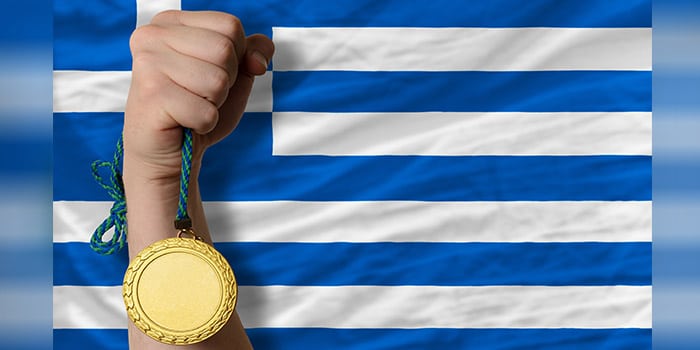
The Hellenic Gaming Commission (HGC) is on the offensive, with Greece’s gambling regulator issuing a blocking order for thousands of websites that are suspected of targeting local customers and offering them unregulated and potentially dangerous forms of online gambling.
Offshore Gambling Is Eating into the Regulated Market
The watchdog is responding to a surging unregulated market, which is estimated to be worth around EUR 1.7 billion annually (around $2 billion), and which is continuing to encroach on the territory of licensed and regulated operators within the country.
At a time when as much as 70% of Europe’s online gambling spending may be funneled through offshore and unregulated websites, regulators and lawmakers are stepping up their efforts to limit the adverse impact of these bad actors.
In the latest move, the HGC has blocked 11,000 gambling-affiliated websites, including operators as well as promotional services established to bring traffic to online casinos and sportsbooks operating without a license.
Lawmakers and industry experts have called for stricter regulations and enforcement tools that specifically target unlicensed operators. Similarly, the government has raised concerns over player protection and how new technologies could help protect the most vulnerable consumers.
Kill 11,000 Domains, and 10,000 New Ones Spring Up
Despite HGC’s latest coup, however, the offshore gambling market has become incredibly resilient, with a good amount of time spent on migration – i.e, getting operations back up and running once a blocking order is issued.
By one estimate, as many as 10,000 new gambling-related domains may be registered every month, meaning that the HGC’s latest move is but a drop in the ocean.
Counteracting bad actors would require more than simple blocks, and among the suggested measures is a stronger emphasis on making the domestic market competitive enough to organically outpace offshore websites.
The HGC is not only taking an issue with the bane of unregulated online gambling, but has also started paying attention to its land-based sector. Greece is set to host two mega-projects, integrated resorts due to arrive in Athens and Maroussi by 2028.
However, the regulator is now looking into clearer and stricter operational and licensing rules so that any plans are aligned with the watchdog’s long-term goals and plans.

Jerome brings a wealth of journalistic experience within the iGaming sector. His interest in the industry began after graduating from college, where he regularly participated in local poker tournaments. This exposure led him to the growing popularity of online poker and casino rooms. Jerome now channels all the knowledge he's accrued to fuel his passion for journalism, providing our team with the latest scoops online.


Must Read
More Articles


Industry
March 10, 2026
Armed Men Rob Delaware Park Casino Guests, Steal a Car


Casino
March 10, 2026
Boyd New Casino Update: Cadence Crossing to Open March 25

Casino
March 10, 2026
Swiss Casinos Zurich Busts Global Cut-Card Scam

Casino
March 10, 2026
Dutch Gambling Sector Urges Tax Review After Revenue Drop