December 24, 2025
3 min read
Fact-checked by Stoyan Todorov
Florida Bill Rekindles Fight Over Live Horse Racing
A new Florida House bill that would enable live race track operators to separate from gambling sounds the alarm for horse industry leaders concerned about the devastation the change would bring to the sport
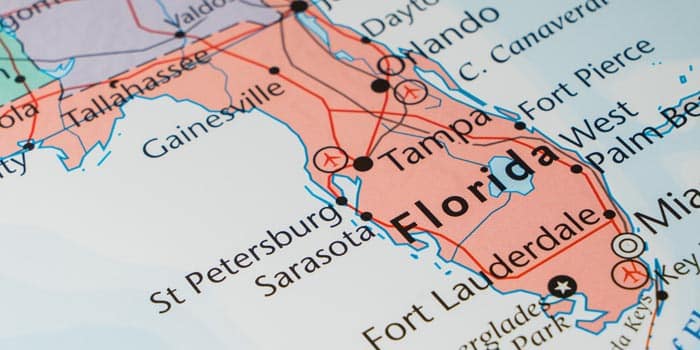
Florida legislators filed House Bill 881 as a new attempt to rekindle the long-running fight regarding the future of live horse racing in the Sunshine State, as well as the industry that heavily depends on it.
The Liberating “Decoupling” Measure
The bill, introduced Tuesday by Rep. Adam Anderson, a Republican from Pinellas County, would enable Florida’s remaining horse racetracks to operate their gambling businesses without also having to concern themselves with staging live races.
Also known as “decoupling”, the measure would apply to the last two active tracks in the state.
One of them is Hallandale Beach’s Gulfstream Park, a popular entertainment go-to located in Hallandale Beach that features thoroughbred horse racing, alongside casino options including slots and electronic table games, dining, and shopping.
The second active racetrack is Tampa Bay Downs, “home to unforgettable finishes, legendary horses, and generations of fans who make this place more than just a racetrack.” The venue also runs a 25-table poker room that periodically draws in enthusiasts of the game.
Aligning With the Times
Supporters argue the change would allow track owners to enjoy more flexibility while more accurately reflecting the constantly changing reality of their business.
On the other hand, critics believe the bill, if passed, would cause a devastating blow to the state’s horse industry, which is heavily based in Marion County and steadily supports thousands of jobs connected to racing, training, and breeding.
A similar measure narrowly failed during the previous legislative session, but backers have continued to push the issue. In addition to the new bill, decoupling supporters have filed a lawsuit seeking to have the state’s current coupling requirement declared unconstitutional.
The new effort to see the change go into effect has caused industry leaders to express their worries regarding the safety of their very livelihoods. That concern also drew the attention of the governor’s office.
In April, Governor Ron DeSantis met with representatives of the horse industry at Ocala Breeders Sales Company, a key hub for thoroughbred auctions, where he expressed opposition to decoupling but did not commit to vetoing the bill if it reached his desk.
“The concern is that once live racing is no longer required, it becomes much easier for tracks to walk away from it entirely,” explained David O’Farrell, general manager of Ocala Stud Farm.
“There are still a couple of bills in the House that are technically alive, so we’re hoping to run out the clock and buy time. That would give our industry a chance to negotiate or find a workable solution before next year’s session.”
While Florida is still figuring out how to go about the future of live horse racing, one thing is for certain: the outcome will most likely reshape the state’s equine industry for the foreseeable future.

After finishing her master's in publishing and writing, Melanie began her career as an online editor for a large gaming blog and has now transitioned over towards the iGaming industry. She helps to ensure that our news pieces are written to the highest standard possible under the guidance of senior management.
Previous Article

Sports
December 24, 2025
Dutch Gaming Regulator Braces for Significant Restructuring


Must Read
Sports
March 6, 2026
PrizePicks Bids Canada Adieu, Doubles Down on US Push
Sports
March 5, 2026
NNGE Boosts Awareness for Problem Gambling Month
More Articles


Casino
March 12, 2026
Monmouth Park Casino Resort Expansion Plan Gains Support

Sports
March 12, 2026
Ravens Cancel Maxx Crosby Trade After Medical Concerns

Industry
March 11, 2026
Washington Moves to Restrict College Athlete Prop Bets






Poker
March 11, 2026
Poker Room Raid at The Lodge in Round Rock Sparks Questions


Industry
March 10, 2026
New Hampshire Lawmakers Push to Expand Charitable Gaming