December 10, 2025
2 min read
Fact-checked by Stoyan Todorov
Bill Aimed at Outlawing Sweepstakes Gambling in Indiana by State Rep Manning
In Indiana a state rep has been aiming to have a bill passed that will stop people from playing in sweepstakes casinos
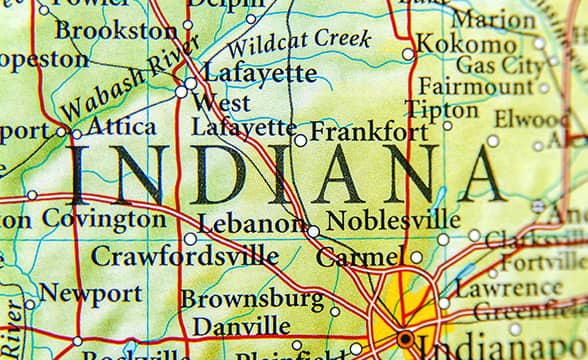
Legislation has been filed in the state of Indiana that aims to ban online sweepstakes casinos.
Labeled HB 1052, it was filed by state Rep. Ethan Manning as a means to further push back two-currency platforms and make them illegal.
The bill, which will mainly affect online sweepstakes, that Manning submitted consists of changes to already existing laws and outlines the fines that those who would break them in the state would face.
Earlier this year, Manning made an attempt to pass a bill that legalized iGaming.
The iGaming bill he proposed would have given the Indiana Gaming Commission regulatory oversight over online casinos.
Partnerships with regular casinos in Indiana would have been required for iGaming websites.
Pushed Back
In recent months, the number of states where sweepstake casinos have been outlawed has increased exponentially.
On top of that, changes to Google’s rules for advertising social games have been made in a way that excludes sweepstakes casinos.
Last week, both New York and California banned dual-currency sweepstakes casinos.
Dual-currency allows players to exchange one of the casino’s own currencies for cash.
Currently, other states in which these types of casinos have been banned are Connecticut, Idaho, Montana, New Jersey, and Washington.
Several other states have demanded the stop of all activities from sweepstake casinos such as Chumba, Stake, and WOW Vegas.
Contents of the Bill
In the bill, there are two requirements presented for an online game, contest, or promotion to be considered a sweepstakes.
There needs to be a dual-currency that can be exchanged for real money, something equivalent in value, or the chance to win money.
Any “operator or individual” that, while being fully aware, runs a sweepstakes in Indiana or makes a transaction with someone will receive a $100 fine that is multiplied by the number of times it has been done.
No other penalties have been listed in the bill.
Other similar bills reach way further than what has already been accepted in other places.



Must Read
Casino
March 5, 2026
Social Media Rumors: New Cyber Attack at Caesars?
More Articles


Industry
March 10, 2026
Armed Men Rob Delaware Park Casino Guests, Steal a Car
Industry
March 10, 2026
New Hampshire Lawmakers Push to Expand Charitable Gaming



Sports
March 10, 2026
Australian Banks Urged to Crack Down on Offshore Gambling

Casino
March 10, 2026
Boyd New Casino Update: Cadence Crossing to Open March 25


Casino
March 10, 2026
Swiss Casinos Zurich Busts Global Cut-Card Scam

Casino
March 10, 2026
Dutch Gambling Sector Urges Tax Review After Revenue Drop
Lottery
March 9, 2026
Powerball Jackpot Reaches $46M for Today’s Drawing