January 23, 2026
3 min read
Fact-checked by Angel Hristov
Alberta Approaches the Launch of iGaming Ahead of NFL Season
According to some of Minister Dale Nally’s comments, operators could go live in the new regulatory framework before the start of the next NFL season
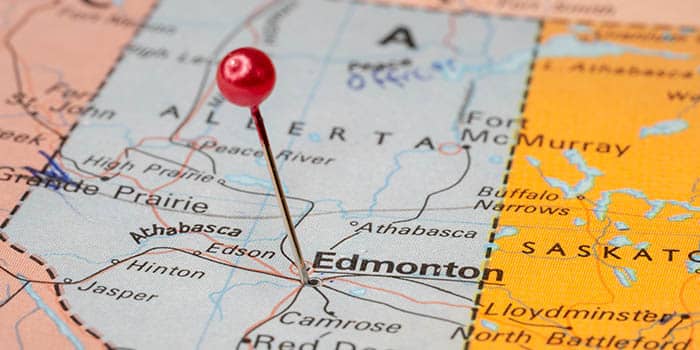
Service Alberta and Red Tape Reduction Minister Dale Nally, who is overseeing Alberta’s online gambling overhaul, says the province has already drawn strong interest from numerous online sportsbook and casino operators. She noted that a “double-digit” number of companies have so far expressed interest in obtaining an iGaming license from the Alberta Gaming, Liquor and Cannabis Commission (AGLC).
Alberta iGaming Framework Is Nearing Completion
The Canadian province of Alberta is preparing to launch a regulated iGaming market sometime in 2026, but the exact launch date for it still remains to be decided. However, according to some of Nally’s comments, operators could go live in the new regulatory framework before the start of the next NFL season.
The new framework is intended to allow multiple private-sector operators, making Alberta the second province in Canada (after Ontario in 2022) to open its regulated internet gambling market. In contrast, all other Canadian provinces grant government-owned lottery corporations exclusive control over iGaming.
At present, Alberta operates under a single-operator model, with the AGLC’s Play Alberta platform as the only authorized betting site. Despite this, many Albertans already use online sportsbooks that are regulated outside the province or overseas, rather than by Alberta itself.
These are often referred to as “grey” or “black” market operators. Bringing some of those operators into a regulated system is a key motivation behind the province’s online gambling reforms. This would allow Alberta to capture and regulate activity that is already taking place outside provincial oversight.
What Obligations Would Operators Have?
Of course, channelizing the iGaming traffic will involve several major steps for operators wishing to work within the province. For starters, interested operators will be required to pay a one-time application fee of $50,000, along with an annual registration fee of $150,000. Once licensed, operators must also enter into contractual agreements with the Alberta iGaming Corporation (AiGC). Both agencies will publish a list of approved operators at a later date.
Operators will also be required to pay a share of their gaming revenue to the province. In Ontario, this share is set at 20%, and it’s expected that it would be the same in Alberta. Before revenue is split between operators and the province, 1% will be allocated to responsible and problem gambling initiatives, with an additional 2% directed to First Nations in Alberta.
After this 3% allocation, the remaining revenue will be divided on an 80/20 basis, mirroring Ontario’s model. This means Alberta’s regulated operators will take 80%, and the 20% left will go to the province. While this equates to a nominal 20% tax rate, the effective rate will be slightly higher once the initial deductions are factored in.
Lastly, all operators will work with a dedicated self-exclusion tool, which will be ready to launch as the iGaming market in the province goes live. This means that bettors would be able to exclude themselves from all online gambling sites and brick-and-mortar casinos relatively easily. It’s interesting to note that Ontario is still working on such a tool, despite there already being a very active iGaming market in the province. According to Nally, Alberta’s tool is a source of pride as the province seeks to protect existing gamblers and not create new ones.

Stefan Velikov is an accomplished iGaming writer and journalist specializing in esports, regulatory developments, and industry innovations. With over five years of extensive writing experience, he has contributed to various publications, continuously refining his craft and expertise in the field.
Previous Article

Industry
January 23, 2026
Robinhood Seeks Federal Protection as Massachusetts Targets Sports Prediction Markets


Must Read
More Articles