
December 29, 2025
7 min read
Gambling Withdrawal Symptoms
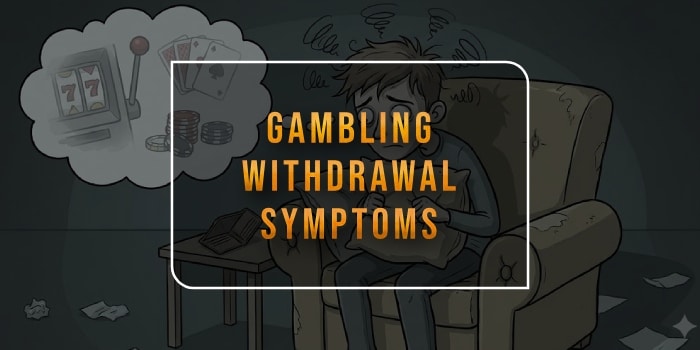
Gambling withdrawal is a real psychological and physiological process that takes a toll on the individual, their loved ones, close friends, and extended family.
Over the past years, awareness of gambling withdrawal has made recovery from conditions such as compulsive gambling and gambling addiction much easier today, owing to available self-help resources and treatment options.
Gambling withdrawal symptoms, however, are important to differentiate as they can often be overlooked as the symptoms of another mental problem. Today, we have a clear idea of what the issue is and how to address it.
Gambling Withdrawal Symptoms – How to Know You Have a Problem
Problem gambling is a well-documented mental disorder, and it is an increasingly prevalent health concern for general practitioners in the United States, the United Kingdom, and beyond.

GPs in the United Kingdom now feature questions about patients’ gambling habits as part of their regular screening, which shows how seriously compulsive gambling is taken in the country.
Withdrawal symptoms are often screened for during such tests, and people who exhibit them are referred to free treatment centers and services. Here, you will find a complete list of what to expect when going through gambling addiction.
Unable to Sleep: Insomnia
Insomnia is one of the universal symptoms of both problem gambling and gambling withdrawal. As the brain is starved of dopamine, the nervous system finds it more difficult to create the conditions and ease you into sleep.
You may call it “overthinking,” but it’s an impulse-control issue because your brain is not getting the usual “kick” out of spinning slots. It is no coincidence that gambling addicts often log in during the night.
They are experiencing disruption to their sleep, caused by this same reason, and thus show up at odd hours during the night to satisfy this “craving.” This is a classic symptom of gambling withdrawal.
Increased Anxiety
Anxiety is defined as a premonition of a threat or uncertainty. It is an evolutionary response coded into human DNA and relates to the “fight or flight” instinct defined in biology.
Anxiety in people who undergo withdrawal from gambling is very common, as it combines a variety of reasons.
The brain, which has been served a diet of dopamine, is now battling with a person’s will – the realization that excessive gambling has caused financial and personal friction in the individual’s life.
This realization further fuels the anxiety, as people spiral into thoughts of self-hatred and self-loathing, further amplifying these negative emotions. Anxiety is also a response to the behavioral change.
While gambling creates a chemical dependency in the brain, behavioral changes are equally upsetting, and they are counterintuitive to human nature.
Think about losing your job, or not being certain if you will have a job next month, and the feeling that you experience then. This is the type of anxiety people going through withdrawal report.
Feeling Depressed
Depression is the feeling of not being able to construct a future, as defined by American psychologist Rollo May. This is one of the most insightful definitions of the human state known as depression, as it resonates with those experiencing it.
Gambling withdrawal and gambling addiction often lead to depression, a lack of faith that people have agency over their actions, and that all they try will inevitably lead to the same outcomes – more economic ruin, alienation from loved ones, and professional and personal relationships ended.
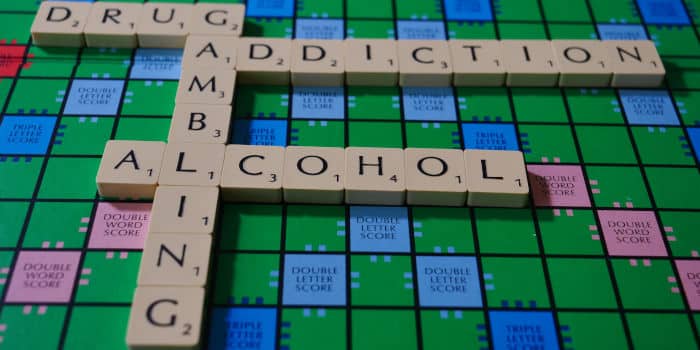
Depression is associated with a higher risk of death, not least because of self-inflicted harm. The good news is that it is also a sign of recovery and a willingness to recover.
The heavy mental toll gambling takes on vulnerable individuals comes with a price, but as withdrawal continues, feelings of hopelessness and predetermination are usually overcome by the individuals.
Depression is an inherent part of gambling addiction, and as things stand, in the process of healing and overcoming this compulsive behavior through guided therapy, counseling, and the power of the will.
Gambling Withdrawal Has Specific Physiological Outlets
Besides the mental toll and psychological manifestations, gambling withdrawal has clear physiological symptoms that are defined by medicine. When you are experiencing gambling withdrawal, you are not limited to anxiety, depression, or insomnia.
Your body responds as well, and you may have palpitations, profuse sweating, a racing heart, panic attacks, tremors, nausea, abdominal pain, headaches, cramps, and more.
While these symptoms are generally less pronounced than in people who undergo alcohol or drug withdrawal, they are still important flags to take into consideration.
Withdrawal and the Urge to Keep Gambling
In the French New Wave movie La Baie des Anges (The Bay of Angels) by Jacques Demy, the main characters struggle with a gut-wrenching gambling addiction, which sees them – a man and a woman – drift from one casino to the next, and lose all of their belongings.
The 1963 movie was an early cinematic vignette of what gambling addiction could do to people, and it is one of the earliest adaptations of this serious mental condition, ahead of its time.
Much like the fictional screen characters of Jean Fournier and Jacqueline Demaistre, people who struggle with gambling addiction – or any addiction – are not failing morally.
Rather, the risk and reward systems of the brain have been hijacked by the constant stimuli with dopamine release, which makes people experience “cravings” and “urges.”
These urges are founded in the currently short-circuiting risk-reward system, but the good news is that this can be rebalanced. Sugar is usually the easiest addictive behavior to shake.
As people limit their intake of sugar, the brain soon rebalances, and the body refuses sweet foods. However, sugar is controlled in the sense that you can eat sugar or not eat it – you can become satiated.
Gambling, on the other hand, releases dopamine at irregular intervals, and it releases more dopamine, making it a more potent “drug.”
This is why we talk about “cravings” because much like with sugar, gambling addiction needs to be tempered by resetting the brain’s risk-reward system, which would take longer the stronger the dopamine release is.
Gambling Withdrawal Needs to Be Guided
Importantly, gambling withdrawal needs to be a guided process. This is why more treatment options are becoming available for free, as larger swathes of the population are experiencing distress or harm from gambling.
Even more importantly, a growing number of people are realizing that they need help with overcoming their problems. Family interventions were once the preferred staple of addressing these issues, but publicly available treatment options are replacing them, and for a good reason.
People need a guided and structured approach to address the problem, which is – as the cliche would have it – admitting that they have one. Once you are willing to engage with your problem, though, it’s equally important to get structure and guidance.
Gambling withdrawal symptoms start peaking fast, and they are constantly spurring you to re-engage with the activity.
An environment designed specifically to help you overcome your addiction would first rely on a sensory approach – eliminating the harmful stimuli, such as access to online casinos or physical gambling venues.
A therapist would encourage openly sharing what you go through, and what you dislike about your excessive gambling – the loss of a friendship, the financial hardship faced therein, and more.
Once this is past you, you will then re-engage with the world, but still explore how to steer clear of gambling as a rule, and live a meaningful life. Ongoing therapy is always recommended, but importantly, having gone through this once, you will know what to expect next.

Jerome brings a wealth of journalistic experience within the iGaming sector. His interest in the industry began after graduating from college, where he regularly participated in local poker tournaments. This exposure led him to the growing popularity of online poker and casino rooms. Jerome now channels all the knowledge he's accrued to fuel his passion for journalism, providing our team with the latest scoops online.

Must Read
Legal
November 17, 2019
Philippine Gaming Operators Involved in Prostitution Ring
Casino
October 7, 2019
Haven Gaming to Build Danville Casino in IL
Casino
September 28, 2019
Swiss Casinos Group Partners with Playtech
Sports
September 27, 2019
Mobile Sports Betting Finally Coming to Indiana
Lottery
March 24, 2026
Viral Claim Links Epstein to 2008 Powerball Jackpot
Casino
March 25, 2026
Philippines Steps Up Action Against Online Gaming Crime
More Articles

March 20, 2026
Largest Lottery Jackpots Ever: Winners, Places, and Dates
Casino
December 11, 2025
Best RTP Casino Games
December 10, 2025
Gambling Tattoos – Crazy & Wacky Tattoo Ideas
November 5, 2025
Is Bingo Considered Gambling?
October 29, 2025
Why Asians Love to Gamble So Much?
October 23, 2025
Is Day Trading Gambling?
October 20, 2025
Phil Mickelson’s Gambling Losses, Debt, and Problem
October 6, 2025
Can the Casino Security Detain You?
December 3, 2024
Boxers Who Started Late and Became Champions
November 19, 2024
Best Gambling Board Games
October 25, 2024
Top 20 Books About Gambling
October 23, 2024
Craps Table Layout
October 21, 2024
Megabucks Slot Machines