
March 31, 2026
3 min read
Fact-checked by Angel Hristov
US Lawsuit Target Gaming Giants Over Roblox and Youth Addiction Risks
A lawsuit filed in California accuses Roblox, Epic Games, Microsoft, and Mojang of contributing to a young player’s long-term gaming addiction that allegedly began in childhood
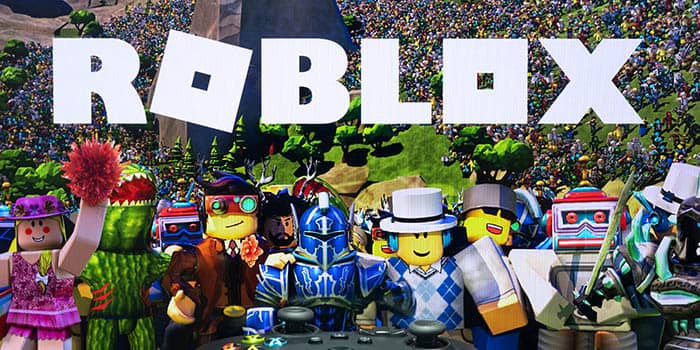
A new legal challenge in the United States places some of the world’s biggest gaming companies under renewed pressure as accusations grow that popular titles are engineered to keep young players hooked.
Lawsuit Claims Major Games Engineered to Hook Young Players
The latest case filed in a California federal court targets Roblox, Epic Games, Microsoft, and Mojang. An 18-year-old brought the complaint, claiming his extended exposure to games such as Roblox, Fortnite, and Minecraft led to a severe and lasting gaming dependency that began in childhood. Court filings indicate that he started playing as young as nine years old and, over time, escalated to sessions lasting up to 16 hours a day, accompanied by withdrawal-like reactions when forced to stop.
The lawsuit centers on the claim that developers use behavioral science to shape player habits. The filing states that companies incorporated systems designed to prolong engagement, including unpredictable reward patterns, progression systems tied to time investment, and algorithms that encourage spending. These mechanisms are said to have an influence on both playtime and in-game purchases rather than enhance user experience.
The complaint also argues that such design choices affect minors. It points to scientific research suggesting that younger players, whose brains are still developing, are less capable of resisting compulsive behaviors. The filing further maintains that gaming addiction is a recognized medical condition, citing classifications from major health organizations that place it alongside other behavioral disorders.
New Cases Highlight Risks of Monetization in Popular Games
Beyond the core addiction claims, the case raises concerns about a lack of safeguards. It alleges that companies were aware of the risks but failed to introduce meaningful parental controls or transparent warnings for years. Instead, the lawsuit suggests profit-driven systems were prioritized, with microtransactions and extended play loops forming a central part of the business model.
This legal action is not an isolated incident. In a separate case, a California judge allowed claims to go forward against the creator of a Roblox-linked gambling site that enabled users to wager virtual currency. The court concluded there was sufficient evidence that the platform benefited from underage users engaging in betting-like activities.
Another lawsuit filed earlier this year has its sights set on Valve over its use of loot boxes in games such as Counter-Strike. Plaintiffs argue that these paid mechanics resemble gambling, with randomized rewards and visual effects designed to encourage repeated purchases despite low chances of high-value returns.
Taken together, these cases signal a broader shift in how regulators and courts view modern gaming ecosystems. What was once considered harmless entertainment is being examined through the lens of consumer protection when minors are involved.

Silvia has dabbled in all sorts of writing – from content writing for social media to movie scripts. She has a Bachelor's in Screenwriting and experience in marketing and producing documentary films. With her background as a customer support agent within the gambling industry, she brings valuable insight to the Gambling News writers’ team.
Previous Article

Casino
March 31, 2026
FLEXIFAI Deploys AI-driven Routing Engine, Lifting Payment Conversion by 30 p.p. in Ghana


Must Read
Casino
March 25, 2026
Philippines Steps Up Action Against Online Gaming Crime
Casino
March 25, 2026
No Break: 6ix9ine Wins $50K Blackjack Hand From Prison
More Articles



Industry
March 30, 2026
Atlantic City Nears Financial Independence



Lottery
March 30, 2026
SuperLotto Plus $10M Ticket Sold at Fremont 7-Eleven


Lottery
March 30, 2026
Friday Produces Single $620K+ Cash 5 Lottery Winner


Legal
March 30, 2026
Washington Targets Kalshi in New Gambling Lawsuit


Casino
March 30, 2026
Las Vegas Casino Heads for Sale After Loan Default



Poker
March 27, 2026
WSOP Set to Return on ESPN Once Again