January 9, 2026
3 min read
Fact-checked by Angel Hristov
Tribes Unite to Challenge Prediction Markets over Gaming Rights
A broad coalition of tribes banded together to oppose what they view as a direct challenge to established regulatory norms

Native American tribes have united against prediction markets, arguing that such platforms encroached upon territory long governed by tribal gaming law. This newest development marks another chapter in the ongoing high-stakes legal and political disputes over who controls wagering in the United States and the place of tribal operations within the gambling sector.
Prediction Platforms Face Increasing Pushback
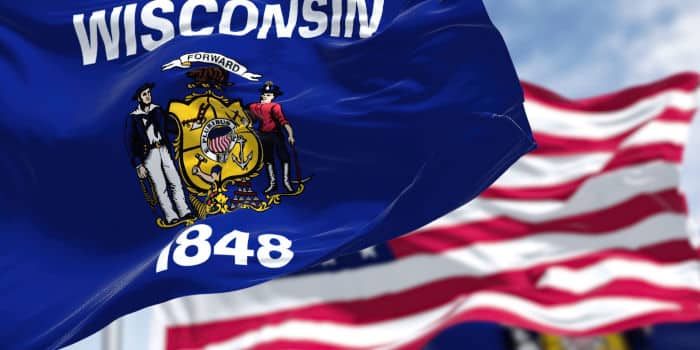
A broad coalition of tribal organizations and federally recognized tribes has submitted a legal brief in support of the Ho-Chunk Nation of Wisconsin in its lawsuit against prediction market operator Kalshi and brokerage partner Robinhood. The document, submitted by the Indian Gaming Association (IGA), the National Congress of American Indians, and16 tribes, argues that gaming revenue is essential for many communities, making the issue foundational to tribal sovereignty and survival.
Revenue generated from gaming empowers Tribes to build critical infrastructure and provide basic services to reservation residents.
David Z. Bean, IGA chairman
Tribal leaders assert that platforms like Kalshi are effectively offering sports betting under a different name. By allowing users nationwide, including those on tribal lands, to trade contracts tied to the outcomes of sporting events, the platforms may be violating the Indian Gaming Regulatory Act (IGRA) and current tribal-state compacts.
The Wisconsin case is not isolated. Tribes in California have attempted similar legal actions, while Nevada and other states have issued cease-and-desist orders aimed at prediction market operators. Together, these actions signal increasing pushback from regulators and tribes who believe the spread of prediction markets could undermine decades of negotiated gaming frameworks.
Tribes Stand United to Safeguard Their Sovereignty
The dispute revolves around a clash of legal interpretations. Tribes state that IGRA grants them exclusive rights to certain forms of gambling on tribal lands. They argue that federally regulated event contracts undermine tribal sovereignty. Meanwhile, Kalshi maintains that its trading activities fall under the jurisdiction of the Commodity Futures Trading Commission (CFTC) and are governed by commodities law rather than gaming regulations.
It is no coincidence that prediction market corporations selected the smallest and weakest financial regulatory agency to push out their self-certified, self-regulated online gambling platforms.
David Z. Bean, IGA chairman
Tribal leaders contend that allowing prediction platforms to spread unchecked undermines three decades of regulation and cooperation by drawing customers away from regulated tribal casinos. While some tribal leaders have floated the idea of setting up tribally-operated prediction platforms if federal agencies refuse to intervene, most believe that a unified legal and political campaign is the stronger option.
The threat of prediction markets has led to unprecedented tribal unity. IGA has urged tribes across the country to coordinate lawsuits, lobby lawmakers, and press federal regulators to draw clearer lines on where prediction platforms stand. Their message is consistent: tribal gaming is a proven economic engine that sustains communities rather than a speculative tech experiment.

Deyan is an experienced writer, analyst, and seeker of forbidden lore. He has approximate knowledge about many things, which he is always willing to apply when researching and preparing his articles. With a degree in Copy-editing and Proofreading, Deyan is able to ensure that his work writing for Gambling News is always up to scratch.


More Articles




Lottery
April 10, 2026
Missouri Lottery Win Worth $274K Leads to Home Ownership


Lottery
April 10, 2026
Jersey Cash 5 Awards $590,007 Jackpot to Single Winner
Casino
April 10, 2026
Ex-Lawmaker Seeks Return of $800K Pension in Court

Casino
April 10, 2026
Trump Heads to Vegas to Push “No Tax on Tips” Plan