January 12, 2026
3 min read
Fact-checked by Stoyan Todorov
Tennessee Escalates Clash with Prediction Markets
The Tennessee Sports Wagering Council maintained that the platforms’ sports-related contracts qualify as wagers under state gambling law, despite the companies operating as federally regulated derivatives markets
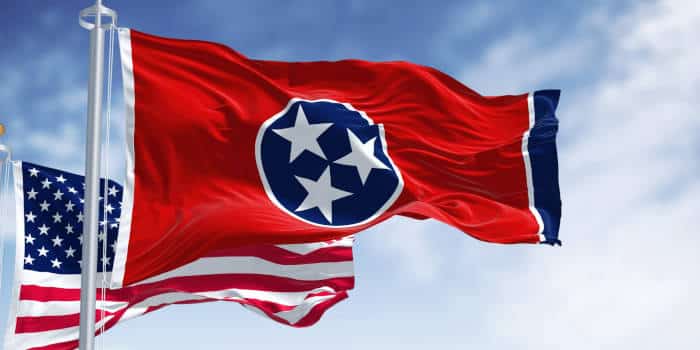
Tennessee authorities have intensified their campaign against sports-related prediction markets, directing Kalshi, Polymarket, and Crypto.com to cut off access for state residents and unwind all sports event positions by the end of January. The orders, delivered in letters dated January 9, accuse the companies of operating wagering products without meeting the state’s licensing and consumer-protection requirements.
Tennessee Threatens Heavy Fines If Prediction Markets Do Not Discontinue Sports Contracts
The Tennessee Sports Wagering Council argued that the platforms’ sports-linked contracts amount to bets under the state’s gaming statute, even though the firms function as federally supervised derivatives exchanges. Regulators said that labeling the products as “event contracts” does not change their nature, insisting that any business taking money on athletic outcomes must secure a license issued under the Tennessee Sports Gaming Act. Officials further contended that the offerings lack safeguards required of state-approved operators, including age checks, responsible-gaming tools, and mandated anti-money-laundering standards, reported CoinDesk.
According to the letters, the companies must halt Tennessee-based activity, cancel all open sports contracts associated with local users, and return funds on deposit by January 31. Regulators warned that ignoring the directive could trigger escalating fines starting at $10,000 for a first offense and rising to $25,000 for subsequent violations. The council also indicated that it may pursue injunctions in state court and refer cases to law-enforcement agencies under statutes covering gambling promotion, which can carry misdemeanor or felony penalties depending on severity.
State Clashes With Federally Regulated Exchanges Deepen as Polymarket and Kalshi Push Back
The action marks a notable moment for Polymarket, which only recently regained a foothold in the United States following its acquisition of QCX and the gradual opening of a waitlist-driven domestic app.
For Kalshi, the confrontation reflects a growing pattern: the exchange has spent the past year tangling with regulators in states ranging from Arizona to Illinois and Ohio. A company representative said Kalshi has taken Tennessee to federal court, arguing that the state is attempting to block a legally regulated national market and that its platform differs fundamentally from sportsbook gambling.
The conflict underscores a widening rift between federal and state interpretations of event-based trading. While the Commodity Futures Trading Commission grants the exchanges permission to operate nationwide as designated contract markets, several states have rejected the notion that federal supervision overrides local gambling laws.
Connecticut, for instance, attempted similar enforcement late last year before a federal judge temporarily stopped the state from penalizing Kalshi while litigation continues. With contract volumes at Kalshi and Polymarket still expanding despite the scrutiny, legal pressure is unlikely to ease soon. Attorneys following the issue anticipate further court challenges as companies seek clarity on whether sports-related forecasting can coexist with state-regulated sports betting frameworks.

Silvia has dabbled in all sorts of writing – from content writing for social media to movie scripts. She has a Bachelor's in Screenwriting and experience in marketing and producing documentary films. With her background as a customer support agent within the gambling industry, she brings valuable insight to the Gambling News writers’ team.

Must Read
Sports
April 8, 2026
Mayweather-Pacquiao Rematch Faces Legal Turmoil
More Articles


Lottery
April 13, 2026
Powerball Jackpot Reaches $45M for Tonight’s Drawing


Industry
April 13, 2026
US Lawmakers Push to Tighten Rules on Prediction Markets
Casino
April 13, 2026
Police Apprehend People Suspected of Running a Game Room

Lottery
April 13, 2026
One EuroMillions in Ireland Set to Claim $74,000 Jackpot



Casino
April 10, 2026
No, Massachusetts Won’t Ban Social Casinos