February 11, 2026
3 min read
Fact-checked by Stoyan Todorov
Shapiro Wants to Regulate Skill Games to Help Pennsylvania’s Budget
Governor Josh Shapiro argues that the absence of regulations has caused uncertainty for law enforcement, local authorities, and consumers, noting that prosecutors statewide have repeatedly called for clear guidance
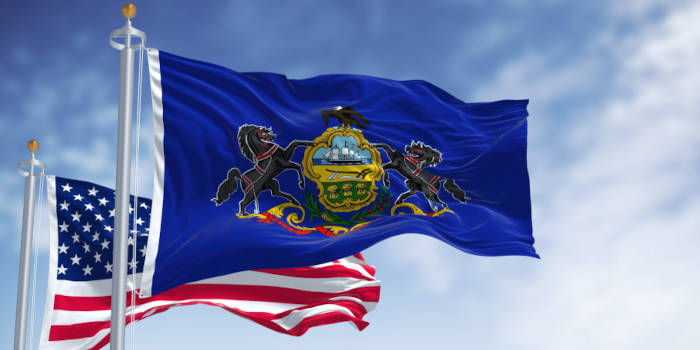
Pennsylvania Governor Josh Shapiro is again asking lawmakers to act on electronic skill games. He believes that if the state regulates these widespread machines, it could open up a big new source of money and ease the pressure on the commonwealth’s finances.
Shapiro Eyes Skill Game Reform as Funding Gap Persists
In his newest budget plan for the 2026–27 fiscal year, Shapiro laid out a $53.2 billion spending proposal. This plan relies on new income sources instead of broad tax increases. A key part of this approach is to make skill games legal and taxable. These slot-like devices have spread to bars, convenience stores, gas stations, and small shops across Pennsylvania.
State officials think up to 70,000 of these machines are running without clear oversight. Though they look and sound like regular slot machines, skill games are different because players need to complete interactive tasks to affect the outcome. Operators say this keeps them outside current gambling laws.
Shapiro says the lack of rules has created confusion for law enforcement, local governments, and consumers. He points out that prosecutors across the state have asked for clear guidelines many times. He notes that the current gray market leaves communities at risk while the state misses out on a lot of tax money.
Shapiro Looks to Skill Games to Boost Education and Local Funds
The governor’s plan would allow skill games and set tough rules for their operation, along with a big tax on total revenue. His budget aims for the state to take just over half of what the machines make, with some of the money going to help problem gamblers. Towns and cities where the games are played would also get a cut, while most of the cash would go into the General Fund.
Shapiro’s team thinks that controlling skill games, plus making cannabis legal, could bring in about $2 billion each year. They plan to use this money to pay for bigger spending goals, putting more into K–12 schools, which are set to get over 8% more funding in the new budget.
Despite the governor’s constant pushing, lawmakers still cannot agree. Past attempts to pass laws on skill games have hit roadblocks due to fights over tax rates and who is in charge. Those in the industry, such as manufacturers and groups speaking for bars and small businesses, say they are okay with rules in general, but caution that taxing too much could hurt the money these machines bring to local establishments.
GOP heavyweights in the legislature doubt they can count on money from policies that are not in place yet. However, some seem open to talking about changing gaming laws, hinting that skill games might be easier to find a middle ground on than other parts of the budget. As budget talks progress, skill games are becoming a central issue. For Shapiro, the question is not if the machines need attention, but how much longer Pennsylvania can ignore a visible industry that does not pay into state funds.

Silvia has dabbled in all sorts of writing – from content writing for social media to movie scripts. She has a Bachelor's in Screenwriting and experience in marketing and producing documentary films. With her background as a customer support agent within the gambling industry, she brings valuable insight to the Gambling News writers’ team.
Previous Article

Casino
February 11, 2026
NCPG Asks Prediction Markets to Highlight National Gambling Helpline

Must Read
Casino
March 25, 2026
Philippines Steps Up Action Against Online Gaming Crime
Casino
March 25, 2026
No Break: 6ix9ine Wins $50K Blackjack Hand From Prison
More Articles

Slots
March 27, 2026
The Outlaws Are Back in NetEnt’s Dead or Alive 3 Slot Game

Poker
March 27, 2026
WSOP Set to Return on ESPN Once Again


Poker
March 27, 2026
From Poker Cash to 30 Stores: Fat Shack Founder Story
Industry
March 27, 2026
Rift Between AGA and Sportsbooks Grows, as Bet365 Quits





Casino
March 27, 2026
Las Vegas Set for Likely Super Bowl Return in 2029