March 27, 2026
3 min read
Fact-checked by Stoyan Todorov
Massachusetts Congressman Bars Staff from Betting on Political Events
Whether others follow may depend on how quickly Congress can decide where prediction markets fit and how they should interact with government officials
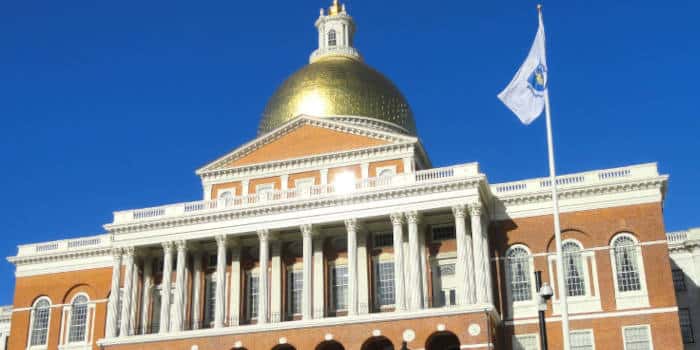
A Massachusetts congressman has drawn a red line forbidding his staff from participating in the growing prediction market sector. Seth Moulton announced this week that employees in his office are barred from accessing prediction market platforms such as Kalshi and Polymarket. The policy applies to all staff members, ranging from legislative aides to communications staff, and covers trades tied to politics, policy decisions, and global events.
Several Incidents Have Led to Rising Scrutiny
Moulton framed the decision as an ethical matter. He noted that Congressional offices exist to serve the public, not to wager on the events they help influence. His office believes the ban is the first of its kind on Capitol Hill, as lawmakers face increasing pressure. Prediction markets have quickly evolved into vast platforms offering a broad selection of contracts, including ones tied to policy decisions.
The broader public is growing increasingly concerned that individuals with access to confidential information may exploit it for personal financial gain. Recent events have sharpened that anxiety. Suspiciously timed trades tied to geopolitical developments in Venezuela and Iran have fueled suspicions that some participants may be acting on privileged information rather than publicly available data.
“Prediction markets have become a playground for corrupt insiders who can place bets on things like election outcomes, wars, and even the deaths of public figures.”
Rep. Seth Moulton
Leading prediction platforms have begun to address these concerns. Kalshi and Polymarket have implemented measures to curb insider activity, including restrictions on participants who may influence outcomes. However, critics question whether these steps are sufficient. Moulton argues that a more comprehensive solution is necessary.
Transparency and Accountability Remain Priorities
The response from Washington has been swift, though disjointed. A wave of proposals has emerged in Congress aimed at tightening the rules around prediction markets or banning certain categories outright. Some bills would ban wagering on classified government operations, while others would prevent elected officials and federal employees from participating.
Moulton decided not to wait out this drawn-out process. His policy gives him peace of mind while the legislative process gathers momentum. The ban also helps him avoid contact with a legal gray area. While prediction markets are regulated at the federal level as financial instruments, they often resemble more traditional betting, especially when it comes to sports-related contracts.
“My office has not, and will not, engage in these trades that run counter to every principle of a clean, honest government that works for the people.”
Rep. Seth Moulton
Unlike sports betting, however, prediction markets can revolve around decisions made inside the same institutions where participants work. That overlap is what makes the issue difficult to ignore. Even suspicions of conflict, such as lawmakers trading on legislation or relevant research, can severely erode public trust and undermine the vital work of policymakers.

Jerome brings a wealth of journalistic experience within the iGaming sector. His interest in the industry began after graduating from college, where he regularly participated in local poker tournaments. This exposure led him to the growing popularity of online poker and casino rooms. Jerome now channels all the knowledge he's accrued to fuel his passion for journalism, providing our team with the latest scoops online.


Must Read
More Articles

Industry
March 27, 2026
Rift Between AGA and Sportsbooks Grows, as Bet365 Quits





Casino
March 27, 2026
Las Vegas Set for Likely Super Bowl Return in 2029



Industry
March 26, 2026
PA Lottery Player Wins $1.5M from Scratch-Off Ticket

Industry
March 26, 2026
New Jersey Advances a Bill Aiming to Ban Microbets