March 26, 2026
3 min read
Fact-checked by Stoyan Todorov
Malta Eyes First EU Rules for Prediction Markets
By putting a well-defined framework in place, Malta could provide prediction market platforms with regulatory clarity while opening the door to the wider European market
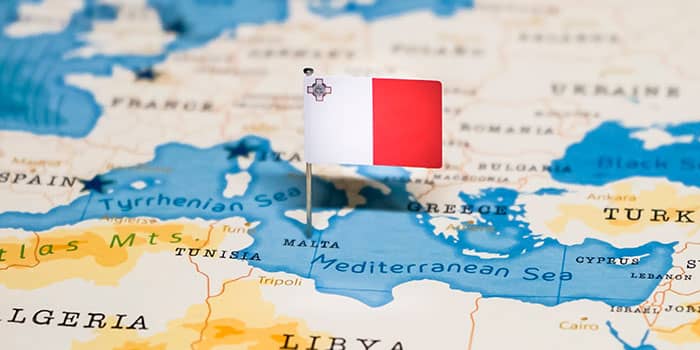
Malta is considering a new regulatory step that could place it at the forefront of an expanding digital finance segment. The government has begun its assessment of how to introduce a legal framework for prediction markets, a sector that has momentum and draws increasing attention from investors and regulators.
Malta Explores Regulating Prediction Markets to Boost Innovation
Economy Minister Silvio Schembri indicated that authorities are studying how these platforms could be governed in a way that supports new ideas while maintaining strong oversight. He suggested that prediction markets represent a promising opportunity, provided they operate within a structured and transparent legal environment, reported local media outlet Lovin Malta.
Prediction markets allow participants to trade on the outcomes of real-world events ranging from political elections to economic indicators and sports results. This model transforms forecasting into a tradable asset class. In recent years, the concept has gained traction in the United States, where platforms have seen significant growth.
Among the leading players is Kalshi, which operates under regulatory supervision and has reached a valuation in the multibillion-dollar range. Together with competitors such as Polymarket, the sector recorded tens of billions of dollars in trading volume during 2025, a figure that highlights its growing scale and appeal.
Malta Aims for Strong Compliance in Fast-Growing Prediction Sector
Despite the growth, the legal status of prediction markets remains unclear in many regions. Within the European Union, rules differ between countries, and there is no unified framework to govern the activity. Some jurisdictions have imposed restrictions, while others are still evaluating whether these platforms should be treated as financial instruments, gambling services, or a hybrid of both.
Malta’s interest in the sector follows a familiar pattern. The country established itself as a pioneer in online gaming regulation and later introduced early legislation for blockchain and cryptocurrency businesses. These moves helped attract international companies and strengthen its reputation as a hub for digital breakthroughs.
Officials now seem to be looking into whether a similar approach could work for prediction markets. By establishing clear rules, Malta could give companies legal certainty and access to the broader European market. The government’s position shows that user trust and investor protection will stay central to any future framework.
The timing matters, as global demand for prediction-based trading keeps growing. While discussions in Malta are still at an early stage, the initiative shows an intention to anticipate industry trends rather than respond to them after the fact.

Silvia has dabbled in all sorts of writing – from content writing for social media to movie scripts. She has a Bachelor's in Screenwriting and experience in marketing and producing documentary films. With her background as a customer support agent within the gambling industry, she brings valuable insight to the Gambling News writers’ team.


Must Read
More Articles





Industry
March 24, 2026
Ukraine Is Set to Stop Military Personnel from Gambling

Legal
March 23, 2026
UK Court Ruling Casts Doubt on Refund Claims


Casino
March 23, 2026
Estonia Adviser Dismissed After Gambling Tax Blunder



Casino
March 19, 2026
GGL Pins Rate of Black Market Operations in Germany at 23%