February 19, 2026
2 min read
Fact-checked by Angel Hristov
Maine Lawmakers Move to Ban Dual-Currency Sweepstakes
The proposed legislation could have a ripple effect nationwide as other states also consider how to approach one of the industry’s most contentious business models
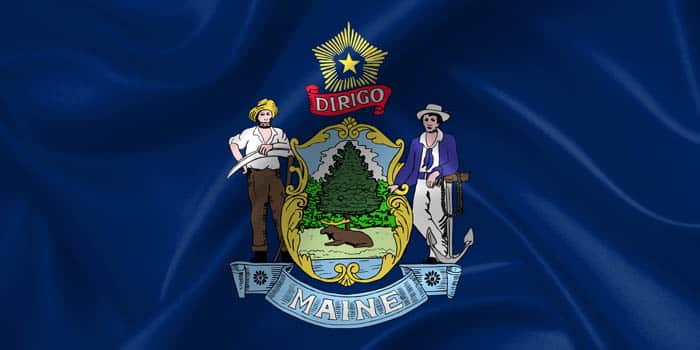
Lawmakers in Maine are targeting sweepstakes with a new proposal that could ban dual-currency sweepstakes casinos by classifying their fundamental business model as illegal gambling under state regulations. Legislative Document 2007 (LD 2007) targets platforms that offer casino-style games using two forms of virtual currency, one that players receive for free and another that can be redeemed for real-world prizes after being used in gameplay.
Player Safety Is a Significant Concern
At the center of the debate is whether such platforms function as genuine promotional sweepstakes or simply online casinos operating under a different label. LD 2007 defines an online sweepstakes game as any internet-based product that simulates traditional casino outcomes while allowing users to redeem winnings through a secondary currency system.
Some of the biggest names in regulated betting, such as DraftKings, have backed the proposal during a recent joint committee hearing. Company representatives argued that sweepstakes operators are effectively sidestepping the rules that licensed gambling businesses must follow. A lack of age checks and responsible gaming safeguards could significantly harm consumers.
If passed, the bill would establish a new section within Maine’s gaming laws specifically targeting sweepstakes-style products. Operating or promoting such games could trigger civil penalties ranging from $10,000 to $100,000 per violation. Maine has roughly 60 sweepstakes casinos, meaning that a sudden ban could have significant consequences.
Sweepstakes Representatives Urge a More Measured Approach
State regulators have become increasingly concerned about the expanding reach of sweepstakes platforms. Rather than issuing cease-and-desist orders, regulators previously chose to warn consumers directly. The Maine Gambling Control Unit stresses that legitimate operators must display their state licensing information, a certification that sweepstakes platforms usually lack.
Industry representatives see things differently. VGW, the company behind Chumba Casino and Global Poker, was highly critical of the proposed legislation. Representatives argued that most users do not spend money and enjoy a safe social experience. The Social Gaming Leadership Alliance also maintained that its members operate within established consumer-protection norms and contribute to the state’s broader economy.
Maine’s proposal aims for a complete ban, rather than the regulatory framework proposed by the sweepstakes sector. Several other states share similar sentiments. Illinois recently issued cease-and-desist letters against 65 companies, categorizing sweepstakes as illegal gambling. Utah, Virginia, Iowa, Tennessee, Maryland, Florida, Indiana, Mississippi, and others have also taken actions to restrict such offerings.

Deyan is an experienced writer, analyst, and seeker of forbidden lore. He has approximate knowledge about many things, which he is always willing to apply when researching and preparing his articles. With a degree in Copy-editing and Proofreading, Deyan is able to ensure that his work writing for Gambling News is always up to scratch.
Previous Article

Industry
February 19, 2026
Sportsbet Files Counterclaim in Class Action Lawsuit over Fast Code Service


More Articles









Industry
March 26, 2026
Entain’s Bwin Fined in Denmark over Misleading Promotion
Industry
March 26, 2026
New Jersey Advances a Bill Aiming to Ban Microbets