April 7, 2026
3 min read
Fact-checked by Angel Hristov
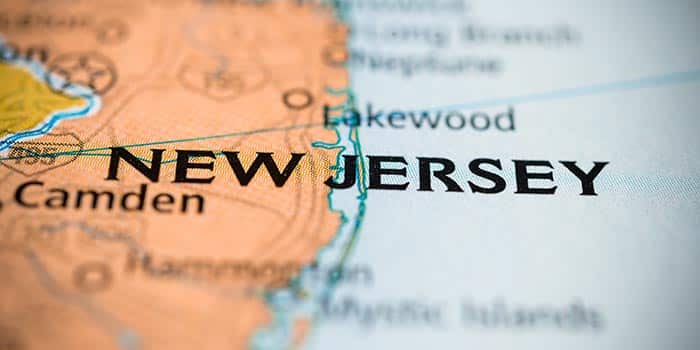
Kalshi Wins Key Legal Battle Against New Jersey Regulators
The ruling only sharpens a national debate that will determine whether prediction markets are treated as financial tools, gambling products, or something in between

A federal appeals court has handed Kalshi a notable legal victory, escalating the tensions between state gambling authorities and prediction platforms. In a 2–1 decision, the US Court of Appeals for the Third Circuit ruled that New Jersey cannot block Kalshi from offering sports-related event contracts to users in the state. The panel concluded that these products fall strictly under the authority of the Commodity Futures Trading Commission (CFTC).
New Jersey Argued Its Authority over All Forms of Sports Wagering
The ongoing friction centers on whether sports prediction markets constitute a form of financial trading or merely sports betting under a different name. Kalshi has long argued the former. Its users can trade contracts tied to everything from elections to sporting events. The company maintains that these are “event contracts,” a type of derivative overseen by the CFTC.
New Jersey regulators saw it differently. The state issued a cease-and-desist order in 2025, which asserted that Kalshi was offering unlicensed sports betting, including wagers that would be illegal under state law. The conflict triggered a legal dispute that has now reached a critical point. With several similar challenges in other states, the court’s decision could set a precedent.
Judge David Porter, one of the two who sided with Kalshi, concluded that federal law likely overrides state authority in this area. Since Kalshi’s contracts qualify as swaps traded on a CFTC-regulated exchange, oversight rests exclusively with the federal agency. This interpretation severely restricts how states can intervene, even on matters such as sports that are traditionally regulated at the state level.
The Broader Legal Dispute Is Far from Over
Not every judge agreed. According to Judge Jane Richards Roth, the sole dissenting voice, Kalshi’s offerings were virtually indistinguishable from conventional sports betting and should face the same regulations as bookmakers. State authorities similarly fear that the situation could create a regulatory gap, allowing users to access betting-like products without the safeguards typically required in licensed markets.
Kalshi CEO Tarek Mansour applauded the decision, describing it as a win for users and the broader prediction market sector. The CFTC also supported this view, stressing that Congress gave it exclusive authority over trading on regulated exchanges. The federal authority even recently filed a lawsuit against Arizona, Illinois, and Connecticut over their attempts to control prediction markets.
Congress gave the CFTC exclusive jurisdiction over trades on DCMs, and this decision affirms the goals of Congress.
Brooke Nethercott, CFTC spokesperson
Despite their defeat, New Jersey authorities are not ready to give up. They are considering other options, such as a rehearing before the full appellate court. Judges in several other jurisdictions have also taken a more skeptical stance toward prediction markets. According to experts, the matter will almost inevitably reach the Supreme Court within the next few years for a conclusion.

Angel has a passion for all forms of writing, be it fiction or nonfiction. His curious nature gives him an ace up his sleeve when researching a new topic. Angel’s thirst for knowledge, paired with adaptability, always helps him find his way around.

Must Read
Legal
April 1, 2026
Police Raid Illegal Gaming Den in Florida, Arrest Two
More Articles



Lottery
April 7, 2026
Delaware Player Grabs $231M Powerball Jackpot

Casino
April 7, 2026
Hard Rock Casino Sees Local Woman Hit $200K Win





Casino
April 7, 2026
Maine Tribes Join Lawsuit Over Online Gaming Rights



Lottery
April 6, 2026
Florida Lottery Unveils Three Winners of $1M Prizes

Casino
April 6, 2026
Empire City Casino Celebrated Women’s History Month