
April 10, 2026
3 min read
Fact-checked by Angel Hristov
Connecticut Towns Push for Larger Share of Casino Revenue
For municipalities, the stakes are immediate, as an increase in casino funding could ease pressure on taxpayers and help sustain essential services
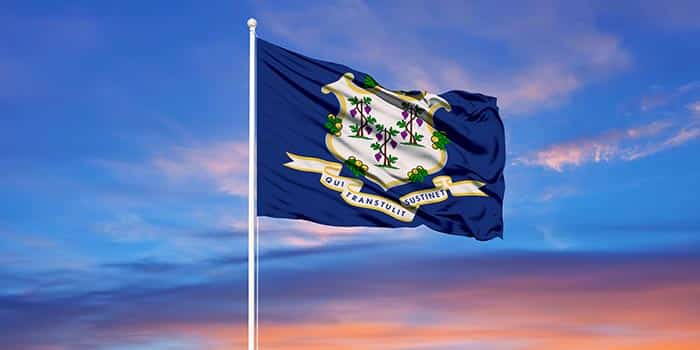
An ongoing debate in Connecticut over casino revenues is gaining momentum as local officials press for a fairer share of gambling taxes. For years, municipalities have received only a small portion of tribal casino revenues despite earlier agreements that towns would be the primary beneficiaries. Advocates argue that state finances have improved enough to restore that balance.
Municipal Leaders Want a Fairer Share of Revenues
At a recent gathering at the Capitol, Michael Passero, who also leads the Connecticut Conference of Municipalities, argued that the current distribution system was outdated and did not reflect economic realities. He pointed to decisions made in the early 2000s, when the state was forced to redirect funds to close deficits. According to Passero, the reductions were never fully reversed.
A recent Connecticut Mirror report explored the numbers behind the shift. This fiscal year, Connecticut expects to collect approximately $365 million from video slot machines operated at Foxwoods Resort Casino and Mohegan Sun. Of that, just $52.5 million, about 14%, will be distributed among the state’s 169 cities and towns. Municipal leaders want a return closer to the original model.
This is a promise that was made to our municipalities when we first entered the agreement with the two tribal nations, and it is a promise that has not been honored.
Sen. Heather Somers
Connecticut’s original casino legislation directed a large share of slot revenues to local governments. Lawmakers at the time argued that communities would bear most of the negatives tied to the gambling sector, such as increased demand for policing and housing. However, that promise has eroded as contributions have stagnated compared to inflation, forcing many communities to rely more on property taxes or reduce services.
Financial Challenges Could Limit Funding Opportunities
Some legislators argue that broader aid to municipalities is long overdue. While education funding often takes center stage in budget discussions, the financial pressures facing communities also require attention. Supporters believe that redistribution is a matter of fairness, as original agreements with tribal operators created an expectation that local communities would see meaningful returns.
Despite overall economic improvements, Connecticut still faces substantial financial burdens, such as pension payments. Officials have also historically preferred to use surplus funds to reduce long-term liabilities. The expected federal funding reductions for Medicaid and other programs may further erode the state’s budget, leaving little fiscal leeway.
Municipalities argue that several rising challenges demand the state’s attention. In cities like New London that face rising costs and a stagnating economy, local revenue relies heavily on state aid. Increasing casino funding could give struggling communities another lifeline. However, broader debates over how Connecticut allocates its resources mean such a shift is far from certain.

Deyan is an experienced writer, analyst, and seeker of forbidden lore. He has approximate knowledge about many things, which he is always willing to apply when researching and preparing his articles. With a degree in Copy-editing and Proofreading, Deyan is able to ensure that his work writing for Gambling News is always up to scratch.


More Articles




Lottery
April 10, 2026
Missouri Lottery Win Worth $274K Leads to Home Ownership


Lottery
April 10, 2026
Jersey Cash 5 Awards $590,007 Jackpot to Single Winner

Casino
April 10, 2026
Ex-Lawmaker Seeks Return of $800K Pension in Court

Casino
April 10, 2026
Trump Heads to Vegas to Push “No Tax on Tips” Plan



Blockchain
April 10, 2026
Gambana.com Expands Betting Options Across Markets

Slots
April 9, 2026
Enter a Viking-Themed Casino in Play’n GO’s ValhalLuck