February 19, 2026
3 min read
Fact-checked by Angel Hristov
Connecticut to Require Prediction Markets to Adopt Age Restrictions and Safer Gaming Tools
House Bill 5038 seeks to force prediction markets to introduce age restrictions, safer gaming tools, and to stop advertising to minors in the state.
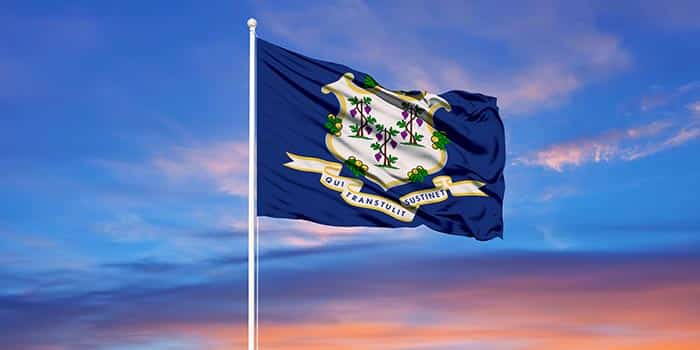
As prediction markets continue to grow in popularity, Connecticut is considering new regulations. Instead of arguing whether such products constitute gambling or not, however, local lawmakers are eyeing stricter age restrictions.
Prediction Markets’ Place in the Broader Gaming Sector Remains Uncertain
Prediction markets are a novel form of trading where participants trade yes-no shares in the outcome of a sporting, political, or cultural event. While similar to sports betting, such products adopt a peer-to-peer system where players play against one another rather than against a house and are regulated by the Commodity Futures Trading Commission (CFTC) rather than state gaming regulators.
While the topics of the legality of prediction markets and whether their products constitute gambling or not remain ongoing subjects of disputes, some Connecticut lawmakers are more interested in shielding vulnerable players than clarifying all technicalities.
As a result, a new measure, House Bill 5038, seeks to force prediction markets to introduce age restrictions, safer gaming tools, and to stop advertising to minors in the state.
Connecticut Seeks to Introduce Some Rules for Prediction Markets
Under the new bill, prediction markets in Connecticut would be required to implement age verification systems that confirm whether a player is at least 21 years old and whether they are truly located in Connecticut.
In addition to that, HB 5038 would require prediction markets to introduce safeguards, not unlike those mandated for gaming operators. These will include self-exclusion options and deposit limits.
Additionally, the bill would prohibit prediction market operators from promoting their products to minors via ads and endorsements.
The bill envisions fines of up to $10,000 per violation, or up to $50,000 in case of repeat offenses.
Under this bill, the Department of Consumer Protection will be responsible for enforcing the new regulations. The department would also be required to launch a probe into prediction markets and their broader impact on the local youth and economy.
If approved, the new regulations would be enforced starting July 1, 2027.
The Bill Got Mixed Responses
The measure has so far secured strong backing from Governor Ned Lamont, as well as local mental health organizations. The latter asserted that prediction markets can expose young players to harm, regardless of whether they are truly gambling or not.
At the same time, Kalshi, one of the leading prediction markets in the US, opposed the bill, once again appealing to the fact that prediction markets, as trading platforms, should be regulated at a federal level.
Tribal gaming organizations, meanwhile, were also displeased, albeit for different reasons. They said that prediction markets are already illegal and that passing HB 5038 would grant them some legitimacy, potentially hurting the legal gaming industry.

Although Fiona doesn't have a long-spanning background within the gambling industry, she is an incredibly skilled journalist who has built a strong interest in the constantly growing iGaming network. The team at Gambling News is glad to have her on our roster to help deliver the best stories as soon as they hit. Aside from writing, she loves to dabble in online casino games such as slots and roulette, both for her own enjoyment and also as research to better improve her understanding of the industry.
Previous Article

Prediction Markets
February 19, 2026
Pennsylvania Publishes January Gaming Report, Highlighting Spike in iGaming


Must Read
More Articles





Lottery
April 3, 2026
Georgia Lottery Confirms $1M Winner on Thursday


Casino
April 3, 2026
Gambler Wins $10M in Nevada on April Fool’s Day


Sports
April 3, 2026
Wisconsin Online Sports Betting Bill Awaits Governor
Sports
April 3, 2026
Louisiana Drops Prop Bet Ban Over Revenue Concerns