
Prediction Market Platforms Call on SCOTUS to Take a Stance

Key Points
- Prediction market platforms are calling SCOTUS to weigh in on interference from gaming regulator
- The arguments put forward by both sides are familiar - prediction markets are gambling insists one, they are not responds the other
- SCOTUS has demurred for the time being and is not looking to weigh in
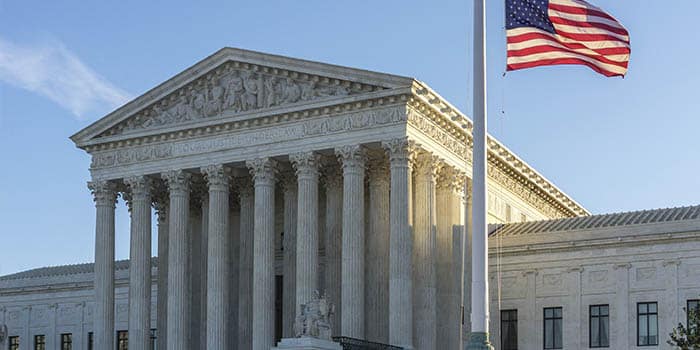
Crypto.com and Robinhood Markets have had enough with the constant equivocation surrounding the legality of prediction markets insofar as state gaming regulators are concerned.
Crypto.com and Robinhood Markets Call on SCOTUS to Make a Stand
The companies want the Supreme Court of the United States to finally intervene and determine whether gaming regulators can intervene in the case of event contracts, equating them to a form of gambling, which Crypto.com and Robinhood insist is wrong.
Instead, the two platforms want the Supreme Court to finally establishing that the Commodity Exchange Act outright prohibits action from gaming regulators against regulators. The platforms insist that federal preemption should dictate how event contracts are viewed in the country, and should once and for all deal away with challenges from gaming regulators.
“The Commodity Exchange Act (CEA) regulates the trading of commodity futures in the United States. Passed in 1936, it has been amended several times since then. The CEA establishes the statutory framework under which the CFTC operates. Under this Act, the CFTC has authority to establish regulations that are published in title 17 of the Code of Federal Regulations,” the CFTC states in its rules.
But despite Crypto.com and Robinhood gripes, SCOUT is no closer to weighing in on the matter, with the Supreme Judges keeping mum on the issue. New Jersey has also sought input from the highest court in a bid to clarify matters.
The core argument is well-established. Gaming regulators loathe the idea that prediction markets, which have extensively used betting language to promote their offer, argue that they are not “gambling platforms” and that event contracts are not a form of sports betting.
Gaming Regulators and Prediction Markets Caught in the Familiar Pickle
Gaming regulators have maintained that sporting event contracts are indeed just that, and that without a license, they fall under the purview of gaming regulators.
On the flip side, Kalshi and Polymarket have repeatedly and firmly rebuked the notion, responding that they provide event contracts which are, as pointed out earlier, regulated under the CEA.
These opposing arguments have led to a legal deadlock that has been fought state-by-state and has led to different outcomes, with Nevada scoring a major win, forcing Kalshi to shutter its offer locally, but other states failing to – or lacking the resources to – force prediction markets to comply with gambling laws.
Mike is the Lead Editor of Gambling News, where he manages editorial operations and market analysis. Leveraging his extensive experience consulting for regulatory bodies, he provides the leadership team with deep industry expertise and a focus on education.

Next Article


Sports
September 16, 2026
Florida Piles Pressure on Illegal Gambling, 160+ Machines Seized
Must Read
Sports
October 5, 2026
Loyola Course Discusses the Risks of Sports Betting
Sports
October 5, 2026
Colts Prevail as Commanders Lose Another Quarterback
Sports
October 5, 2026
$1M: Fanatics Plans Massive Ad Push to Challenge Competitors
More Articles







Casino
October 9, 2026
Wynn UAE Casino to Surpass Revenue Forecasts



Business
October 8, 2026
KingWins Launches a New Online Sweepstakes Casino in the US

Lottery
October 8, 2026
Florida Lottery Player Wins $5M from Scratch-Off Ticket

Sports
October 8, 2026
Midnite Becomes NFL Partner in the UK & Ireland