December 12, 2025
3 min read
Fact-checked by Angel Hristov
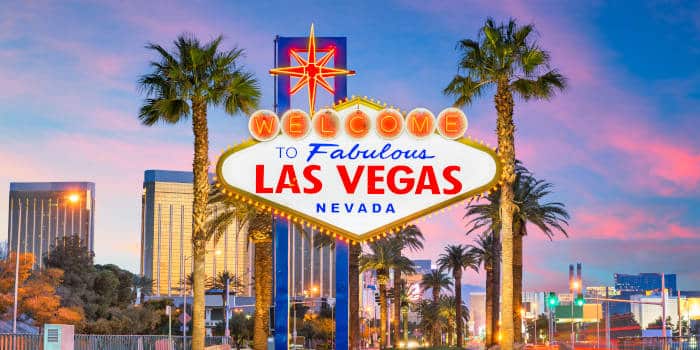
Las Vegas Casinos Push for Urgent Gambling Tax Fix
Industry representatives argue that the current arrangement threatens to affect all stakeholders, including casual and pro players

Casino operators in Las Vegas have voiced their concerns over a looming change in federal tax law that they say will hit gamblers’ wallets, suppress high-end play, and harm Nevada’s whole tourism-based economy. With January 1, 2026, fast approaching, casino leaders, professional gamblers, and state lawmakers are asking Congress to reinstate a long-standing deduction that allows players to write off gambling losses dollar-for-dollar against winnings.
High-Volume Players Are Most Affected
The issue stems from a clause hidden in the so-called “Big Beautiful Bill,” which reduces the deduction from 100% to 90%. At first sight, it may seem like a minor tweak. But on the casino floor, where betting amounts can reach hundreds of thousands of dollars, it means that gamblers may pay tax on money they never actually kept.
Currently, a gambler who loses $100,000 and eventually wins the same amount owes no taxes since the losses cancel out the gains. However, under the new tax code, only $90,000 of the losses can be deducted, leaving $10,000 to be taxed as if it were profit. High-volume gamblers call that a deal-breaker, while casinos worry the measure will scare off big spenders.
The Nevada Resort Association has echoed that sentiment, calling the deduction a basic matter of fairness. Taxing net gains, not gross swings, has been standard federal practice for decades. The organization argues that taxing gambling differently punishes players for the volatility that is inherent to the activity.
This Change Could Lead to Significant Setbacks
Nevada Congresswoman Dina Titus has been one of the rallying forces behind the push to reverse these changes. Earlier in the year, she introduced the FAIR BET Act and has been pushing the House Ways and Means Committee to move quickly. However, the bill has faced some setbacks despite its broad bipartisan support, leaving its future uncertain.
The change unfairly burdens professional gamblers and casual players alike and will inevitably drive players toward offshore and unregulated markets.
Dina Titus, Nevada Congresswoman
Casino executives say the urgency is real. Derek Stevens, who owns Circa and two other downtown properties, warned that the uncertainty has already affected bookings. He noted that high-limit sports bettors are hesitant to commit to future wagers on major 2026 events, unwilling to risk getting tangled in tax complications if the law remains unchanged.
No one wants to pay tax on phantom income. This will impact every casual and leisure slot player who hits a jackpot.
Derek Stevens, Circa Resort & Casino owner
Professional poker players are another outspoken group, claiming that the new tax rules could make it almost impossible for many players to operate legally in the United States. Leading casino operators share these concerns. MGM Resorts International, the largest employer in Nevada, argued that the change would hurt guests, employees, and the broader economy.

Deyan is an experienced writer, analyst, and seeker of forbidden lore. He has approximate knowledge about many things, which he is always willing to apply when researching and preparing his articles. With a degree in Copy-editing and Proofreading, Deyan is able to ensure that his work writing for Gambling News is always up to scratch.

Must Read
More Articles



Lottery
March 12, 2026
Jersey Cash 5 Game Leads to $3.4M Payout



Casino
March 12, 2026
Monmouth Park Casino Resort Expansion Plan Gains Support

Sports
March 12, 2026
Ravens Cancel Maxx Crosby Trade After Medical Concerns
Industry
March 11, 2026
Washington Moves to Restrict College Athlete Prop Bets